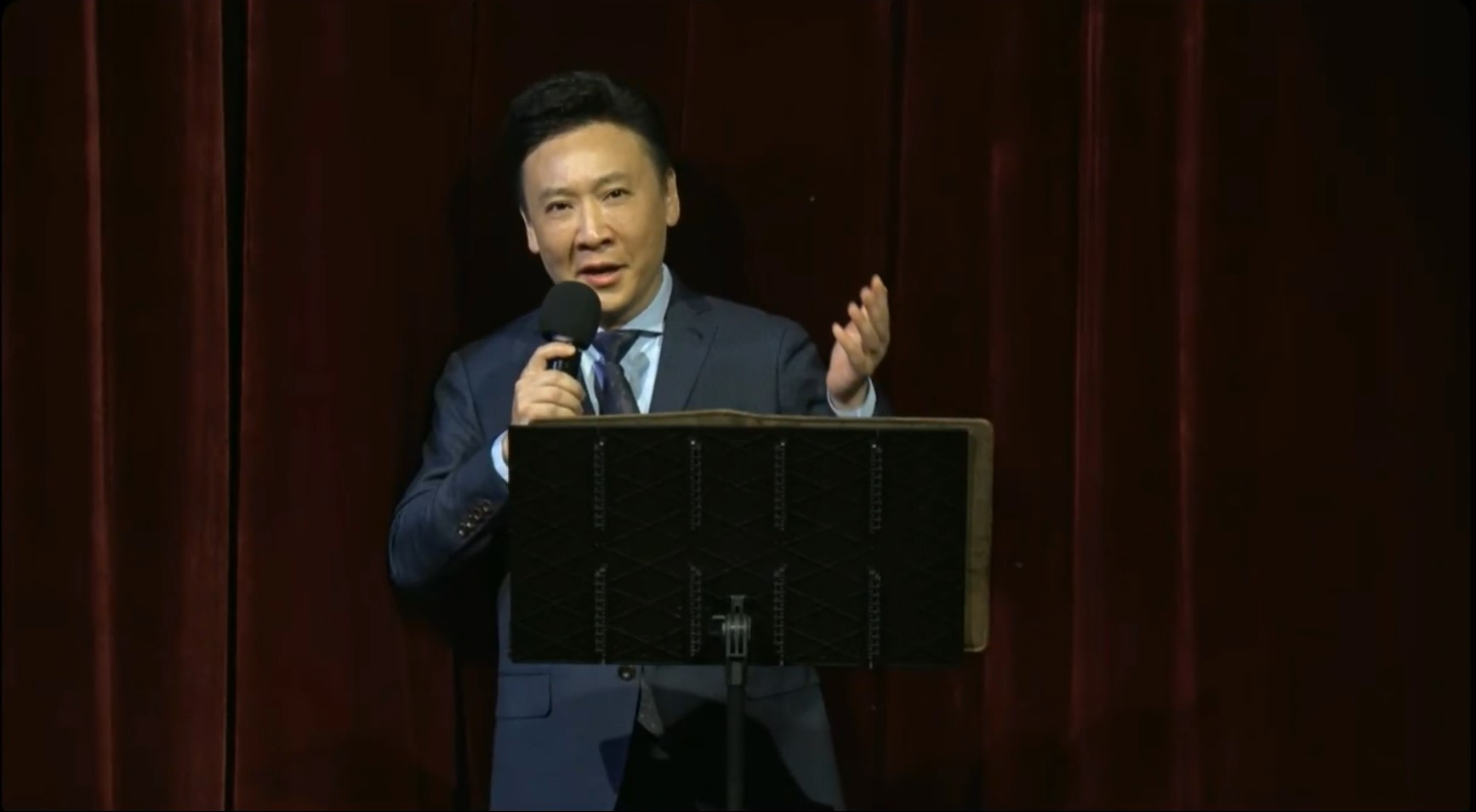
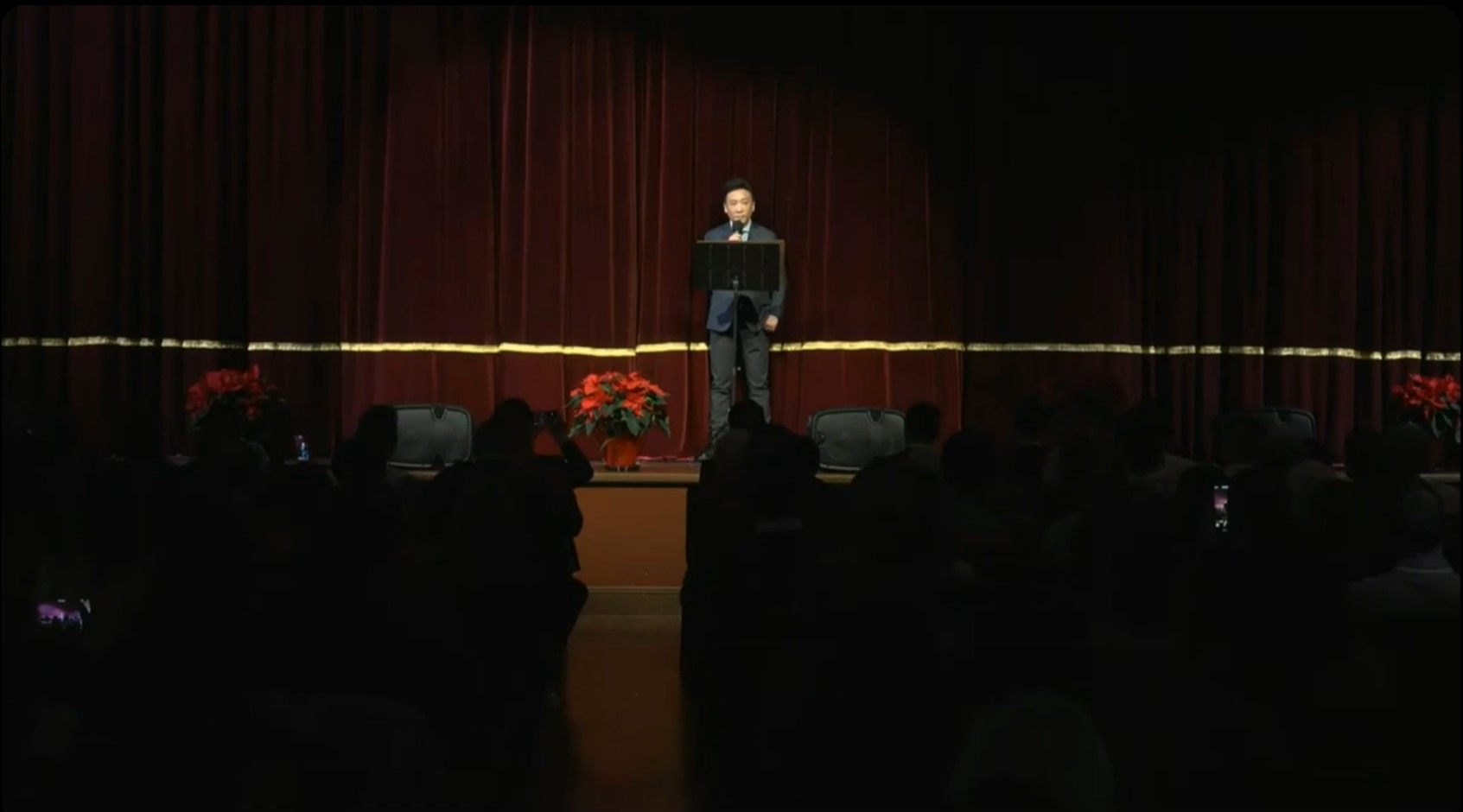
Celebrity Media Journalist Commentary: On Christmas Sunday in 2025, December 21, Harvest Church of New York invited Mr. Wang Taofeng, an anchor from Dragon Television, to recite the prose poem “Matchless Love” during the Sunday worship service commemorating the birth of Jesus.
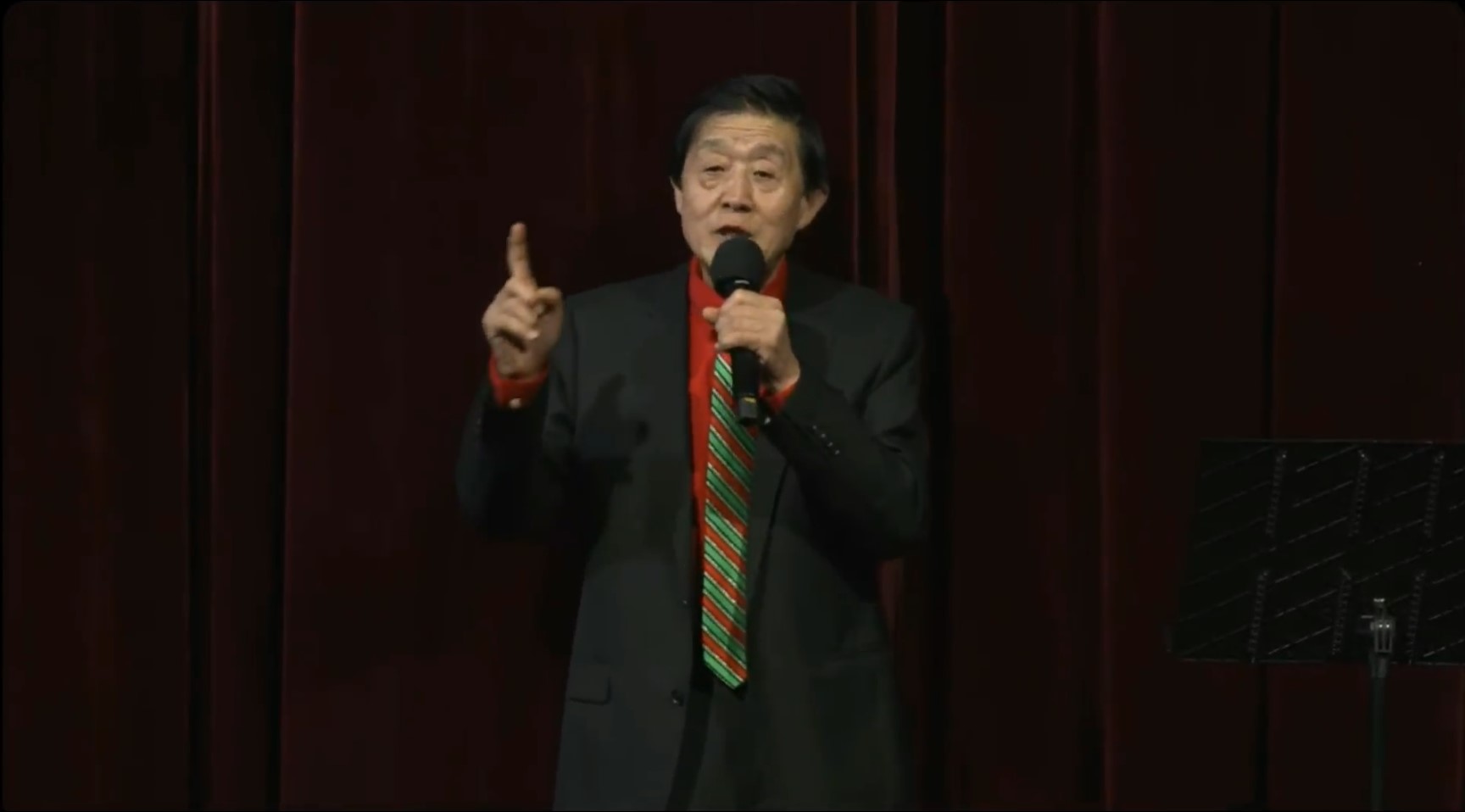
When introducing the reader, the Senior Pastor of Harvest Church of New York, Xiao Mudao, mentioned that Wang Taofeng was one of the church’s early Christians. Many years ago, the author had a brief encounter with Wang Taofeng at a public event in Flushing and was deeply impressed by his voice. Later, it became known that he had long been involved in recording a Mandarin “Audio Bible” series—this was by no means an easy media project, but rather a system-level undertaking with an extremely long cycle, very high intensity, demanding exceptional endurance and self-discipline, and allowing virtually no margin for error. As Pastor Xiao Mudao noted at the outset, this Audio Bible took a full year and four months of continuous production in the basement of Rock Bookstore before it was finally completed.
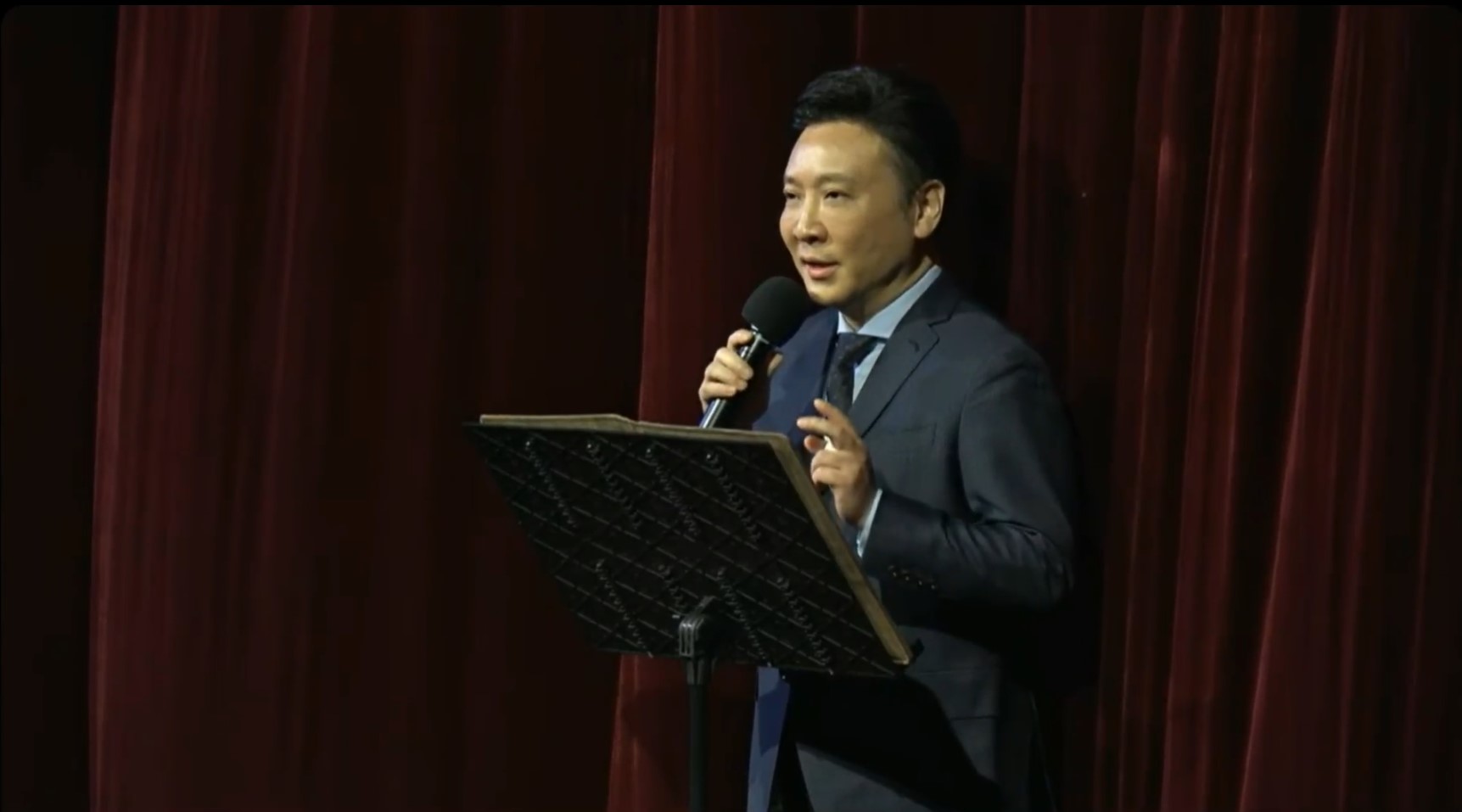
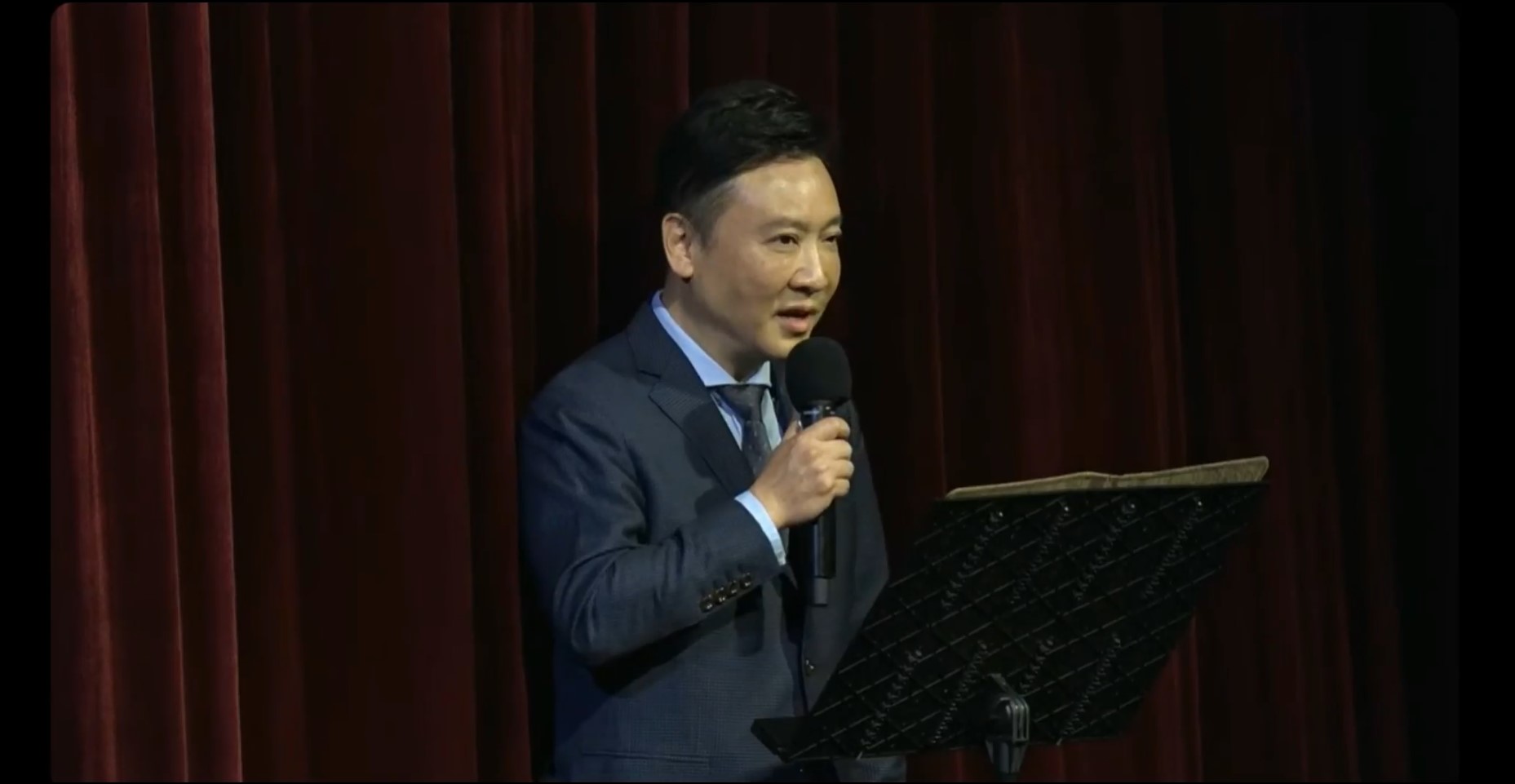
On Christmas Sunday, Wang Taofeng’s reading was emotionally rich yet restrained. Several times he gently wiped his nose with a handkerchief when moved, but he never allowed personal emotion to override the text itself. This article does not repeat on-site descriptions; instead, from a journalist’s commentary perspective, it examines a question more worthy of discussion: why has this Audio Bible—read by him over an extremely long cycle, with high intensity, requiring endurance and absolute accuracy—been so widely and enduringly adopted?
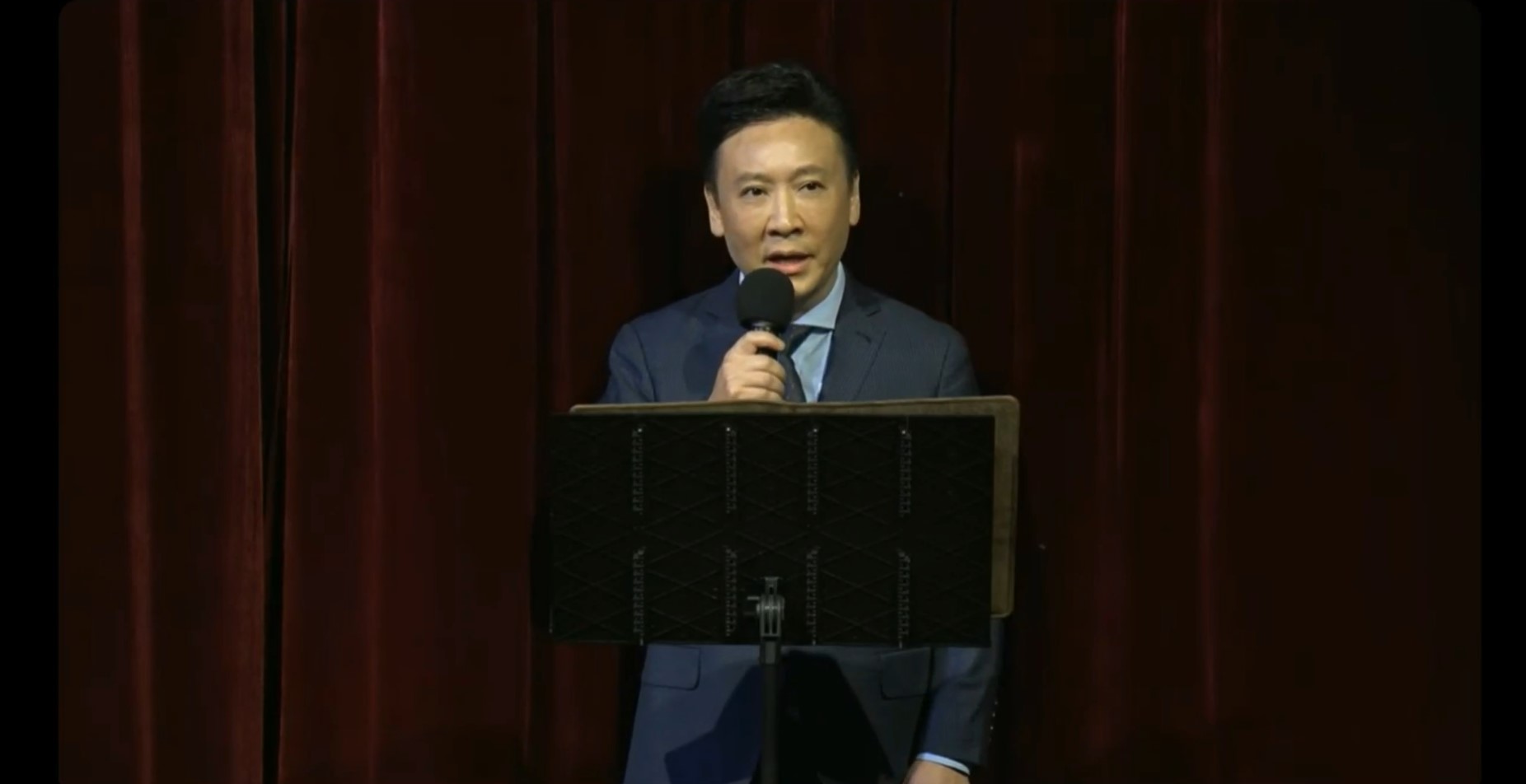
In the Chinese-language audio content world, a Mandarin Audio Bible has circulated for many years. It has been widely used in homes, hospitals, churches, and personal listening contexts, forming a highly stable “de facto standard” in practical use. This work bears no prominent authorship, is not accompanied by personal declarations of faith, and few people even know who the reader is—yet over the years it has been repeatedly used, edited, and disseminated. This is the Audio Bible read by Mr. Wang Taofeng.
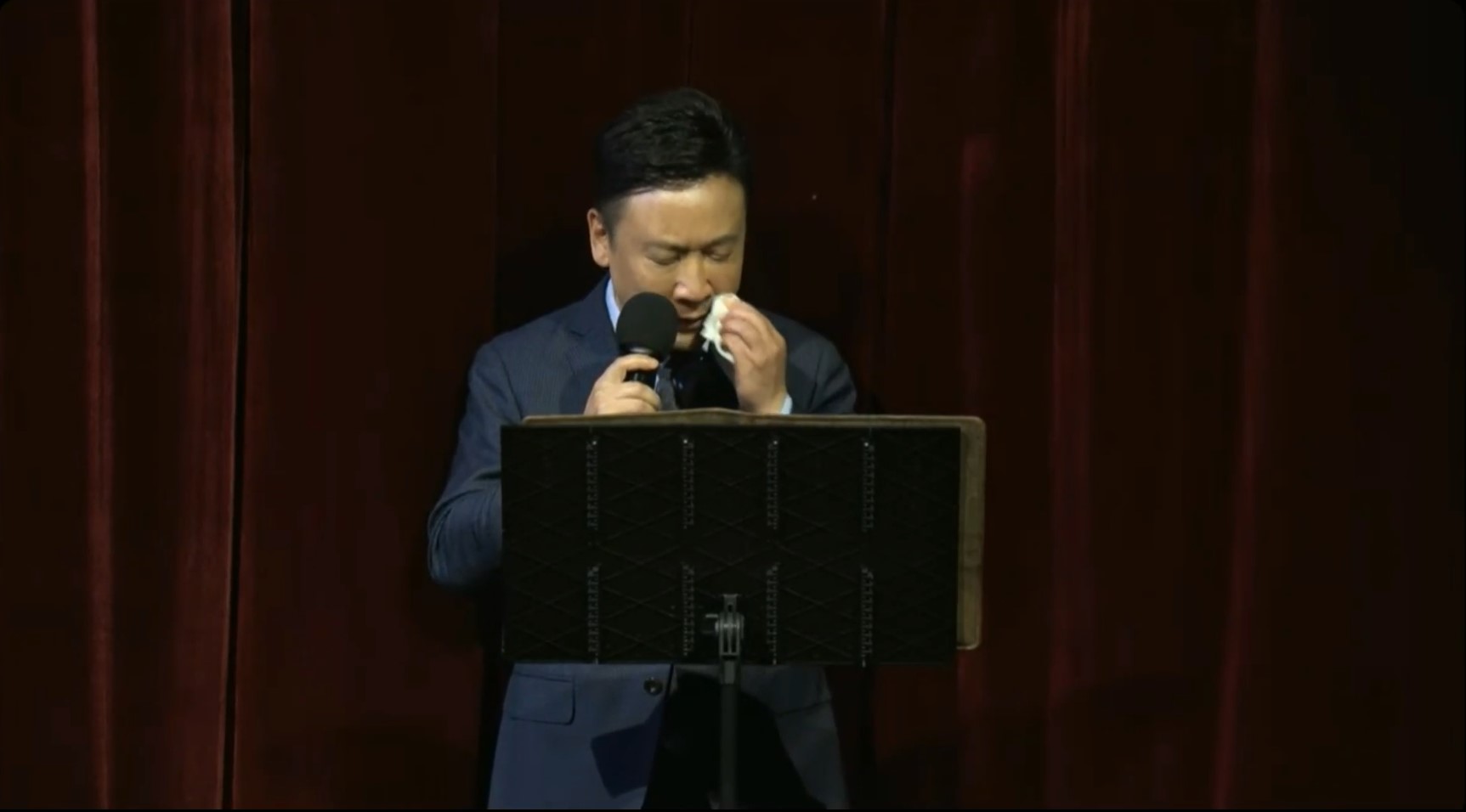
The core characteristics of Wang Taofeng’s reading style lie in exceptional restraint—steady yet approachable: the voice never dominates the text, emotion does not guide interpretation, and the reader does not attempt to explain or represent the scripture. What listeners encounter is almost purely the spoken word of the text itself. In the author’s view, it is precisely this quality that has enabled Wang Taofeng’s Audio Bible to be appreciated and widely adopted across denominations, regions, and usage scenarios, becoming a model Audio Bible with leading global playback and traffic.
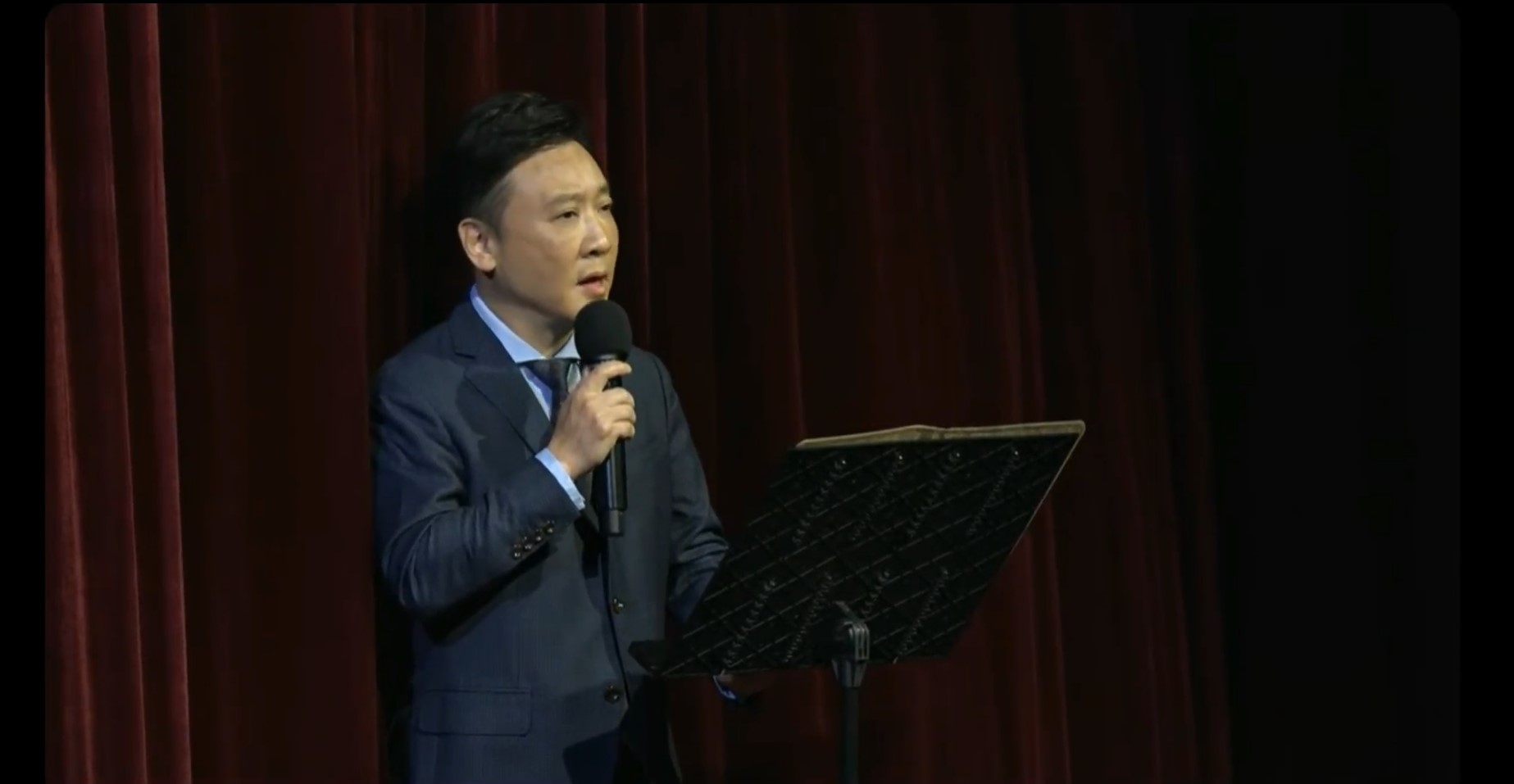
Notably, from a communication studies perspective, this is a relatively rare phenomenon. In an era that strongly emphasizes personal branding and expressive desire, this reading work continuously and invisibly shifts attention away from the reader and returns it to the expressive power of the text’s voice itself. Its influence does not stem from emotional stimulation or topicality, but from the Audio Bible’s reliability as a long-term companion and its reusability—qualities that inspire trust. For many Christians, reading or listening to the Bible follows an annual cycle, which naturally makes this Audio Bible an indispensable long-term companion in spoken-text form.
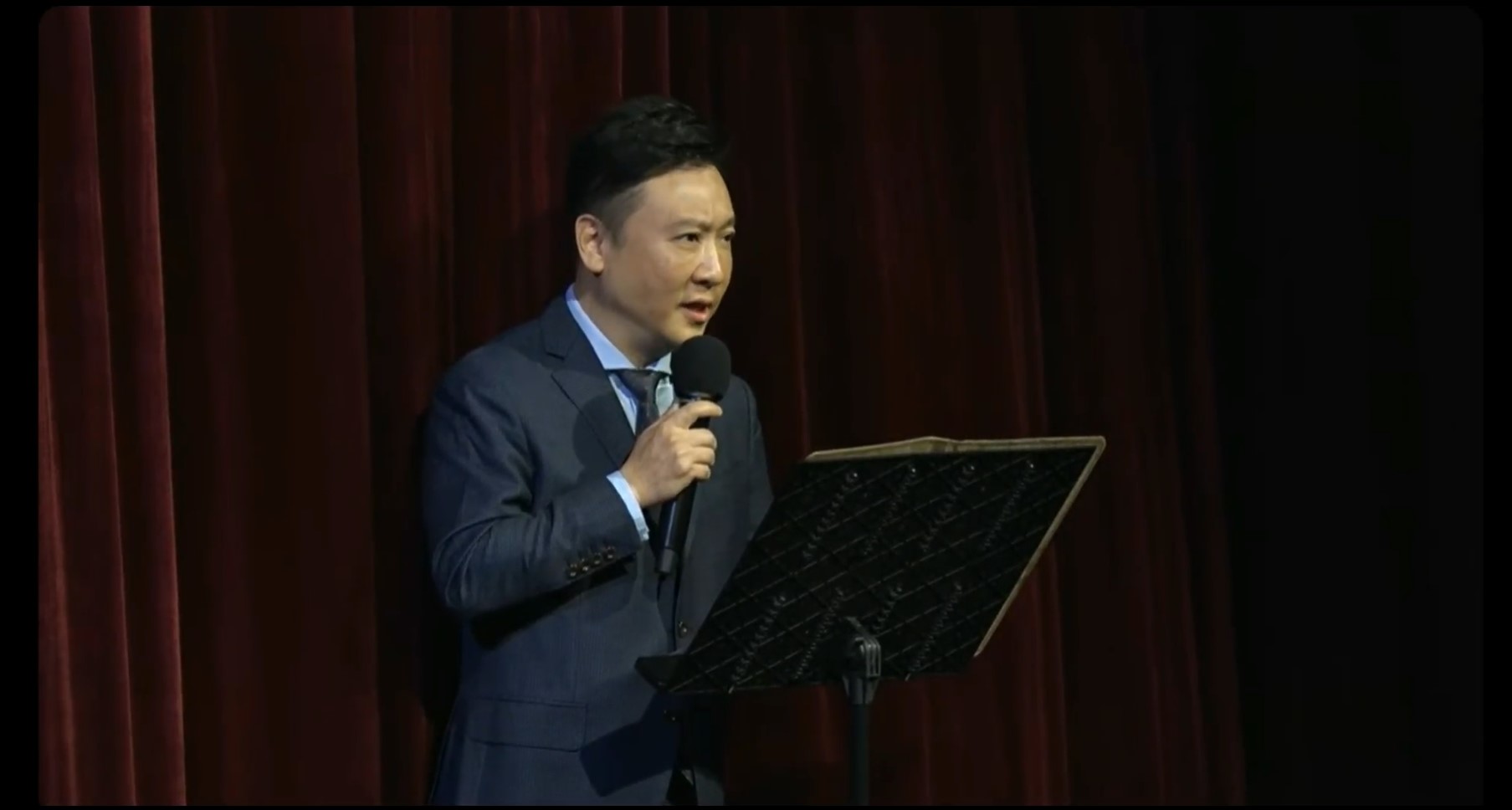 As a long-term overseas news correspondent, Wang Taofeng’s public professional background itself emphasizes neutrality, restraint, and a priority on facts. Maintaining a clear boundary between journalism and faith allows the work to avoid position-driven interpretations and thus gain longer-lasting vitality. From the standpoint of dissemination outcomes, an indisputable fact already exists: this Audio Bible has enabled a vast number of listeners to more directly integrate text and sound, thereby maximizing—and making it easiest to accept—the salvific power of biblical words. In the author’s view, this itself is a form of “matchless love.”

Journalist’s Commentary