Celebrity Media Comprehensive Report: — The selection of the next Secretary-General of the United Nations is facing a significant new variable. Earlier, on September 22, Celebrity Media raised a central point in its article, “During the UN General Assembly High-Level Week, Will a New Consensus Candidate for Secretary-General Emerge?”: the real key to the selection of the UN Secretary-General is not who temporarily leads in the first few rounds of informal voting, but who can ultimately secure the recommendation of the Security Council and avoid a veto from any of its five permanent members.
At the time, the article further argued that if the current candidates remain unable to form a genuine consensus within the Security Council, the next UN Secretary-General may not necessarily come from the existing list. Instead, the Security Council may ultimately look for a new figure who has not previously entered the race but can be accepted by all five permanent members.
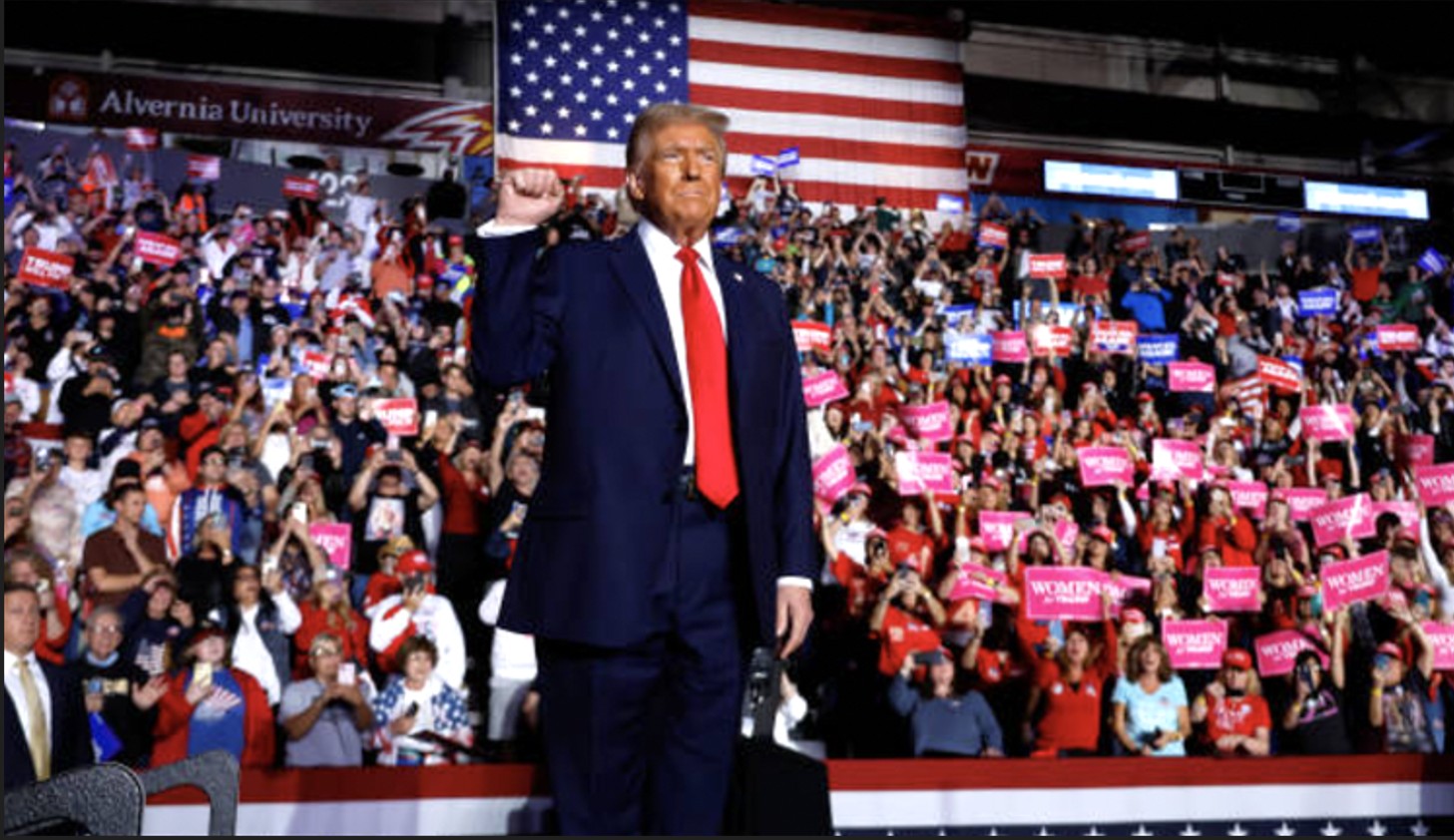
Now, the Trump administration is reportedly opposed to all seven existing candidates. This development gives even greater practical significance to Celebrity Media’s earlier discussion of a possible “new consensus candidate.”
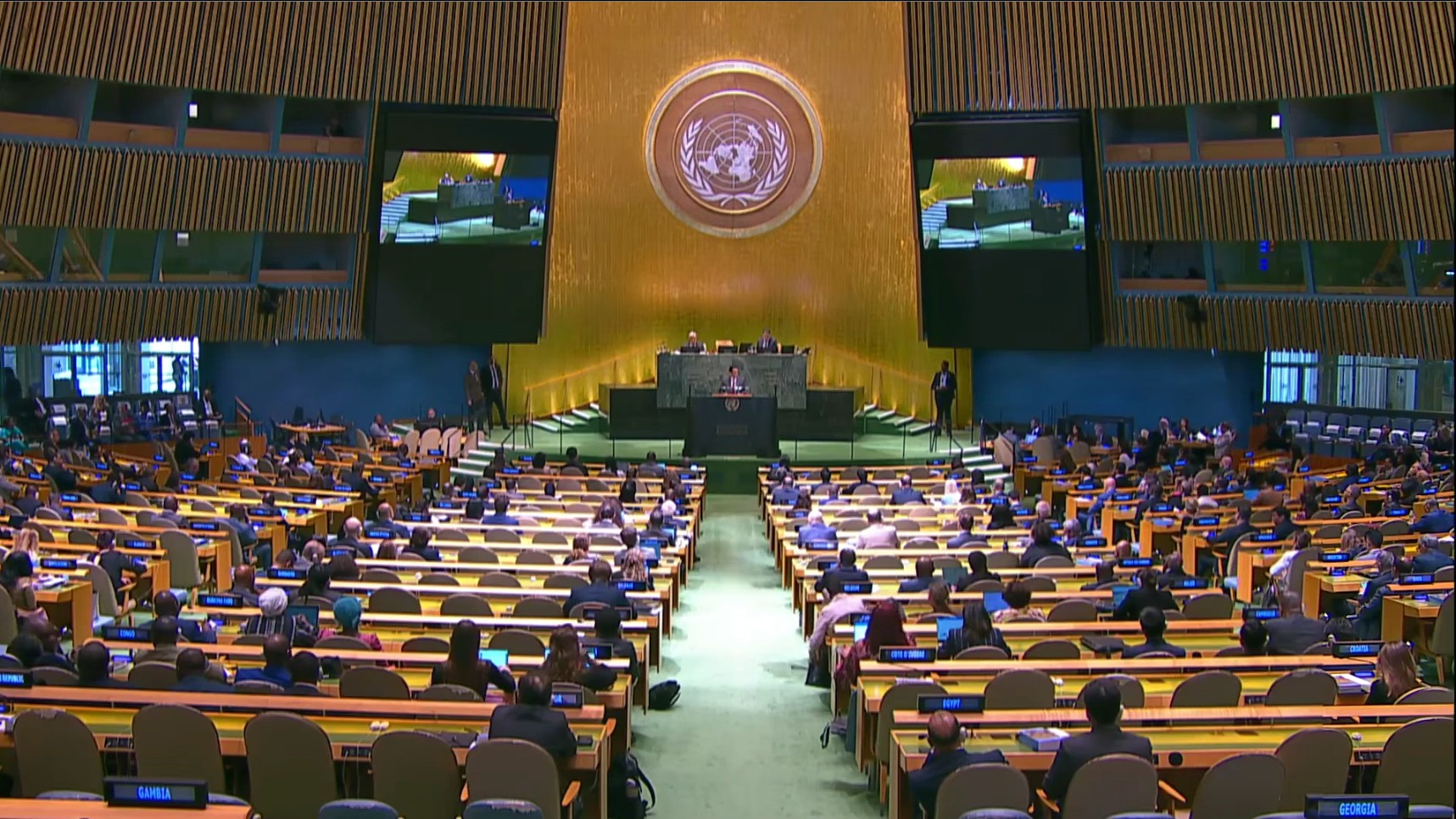
The key has never been who is leading, but who can pass the “P5” test: Celebrity Media’s earlier article pointed out that the selection of the UN Secretary-General is not a conventional majority-vote election. Under the current UN mechanism, the Secretary-General is appointed by the General Assembly, but only after receiving a recommendation from the Security Council. The Security Council has 15 members, and for a candidate to truly reach the final stage, it is not enough merely to secure sufficient support. More importantly, the candidate must avoid a veto from any of the five permanent members: the United States, China, Russia, the United Kingdom, and France.
This means that even if a candidate ranks first in early informal voting, or receives the largest number of “encourage” votes, that lead alone cannot guarantee final victory if the candidate is unable to pass the P5 hurdle.
Celebrity Media previously summarized this point very clearly: the real threshold is not winning the most support, but avoiding a veto from any permanent member. If the United States is now opposed to all seven existing candidates, this structural threshold becomes even more significant.
Seven candidates remain in the race, but whether the “existing list is enough” has become a new question: In its previous analysis, Celebrity Media raised another question: if the current candidates remain unable to form a Security Council consensus, will the Council eventually shift from asking “who is leading among the existing candidates” to asking “who can become someone acceptable to all five permanent members”? These two questions may appear similar, but they are fundamentally different. The former focuses on ranking. The latter focuses on acceptability.
Once the selection of the UN Secretary-General enters its final stage, the political logic often shifts away from who has the most public support and toward who can persuade the major powers, at minimum, not to exercise their veto. Therefore, the fact that the seven existing candidates remain in the race does not mean the final field is closed. If none of them can overcome decisive opposition from a permanent member, then the existing list itself may become the problem.

The Trump administration’s position has brought the question of an “eighth candidate” back into focus: Celebrity Media did not previously assert that a new candidate would definitely emerge. On the contrary, the earlier article specifically emphasized that there was no public evidence showing that a new figure was preparing to enter the race, nor any indication that the Security Council had begun formal discussions around a new name.
At the same time, however, the article pointed out that if the existing candidates cannot overcome the political threshold posed by the P5, then seeking a new consensus candidate would become a reasonable and realistic possibility. Now, the United States’ reported opposition to all seven existing candidates has brought this question back to the center: if none of the seven candidates can gain U.S. acceptance, will Washington eventually compromise, or will a new candidate emerge from outside the current list? This will be one of the most important issues to watch in the next stage.
The United States can veto, but it cannot decide the outcome on its own: Another point must also be emphasized. The United States is one of the five permanent members of the Security Council and therefore wields extremely important influence. But it cannot unilaterally decide who becomes the next Secretary-General.
Any new candidate, even one supported by the United States, would still need to face the positions of China, Russia, the United Kingdom, and France, and would also need sufficient support from the Security Council as a whole. Therefore, if a new candidate does emerge, he or she would need to meet an exceptionally demanding political condition: not only satisfying the United States, but also giving the other four permanent members no sufficient reason to exercise their veto. This is precisely why a “consensus candidate” is more important than a “leading candidate.”

The contest for the next Secretary-General is shifting from candidate competition to major-power coordination: From a broader perspective, now that the selection process has reached this stage, the focus may no longer be limited to the individual qualifications of the candidates.
The real question is becoming whether the United States, China, Russia, the United Kingdom, and France can form a minimum level of political consensus around one person. In the current environment of highly divided international relations, this is far from easy. The UN Secretary-General must not only manage a vast international organization, but also maintain a complex balance among war, security, development, humanitarian crises, and competition among major powers.
Therefore, the next Secretary-General will need not only administrative ability and diplomatic experience, but also an exceptionally difficult political quality: the ability to make major countries with sharply different positions all conclude that this person is, at the very least, acceptable. This is also the central logic emphasized in Celebrity Media’s earlier article.
Will a “new consensus candidate” actually emerge? At present, there is still no answer. It is also possible that one of the seven existing candidates could gradually overcome opposition through diplomatic negotiations and eventually become acceptable to all five permanent members. If that happens, no new candidate would be necessary. But if the seven current candidates remain unable to break through decisive opposition, the possibility that the Security Council will look beyond the existing list will continue to rise.
Celebrity Media previously asked: Could the next Secretary-General be someone who never entered the race at all, but who emerges from a deadlock as the consensus choice of all sides? That question now appears more relevant than before. Once the United States rejects all seven existing candidates, the issue facing this Secretary-General selection is no longer simply “who will win.”
The deeper question is: is there anyone among the existing seven candidates who can truly pass the P5 test? If the final answer is no, then the contest for the next UN Secretary-General may indeed enter an entirely new phase.
Celebrity Media will continue to follow this round of the UN Secretary-General selection process and whether a new consensus candidate emerges.