



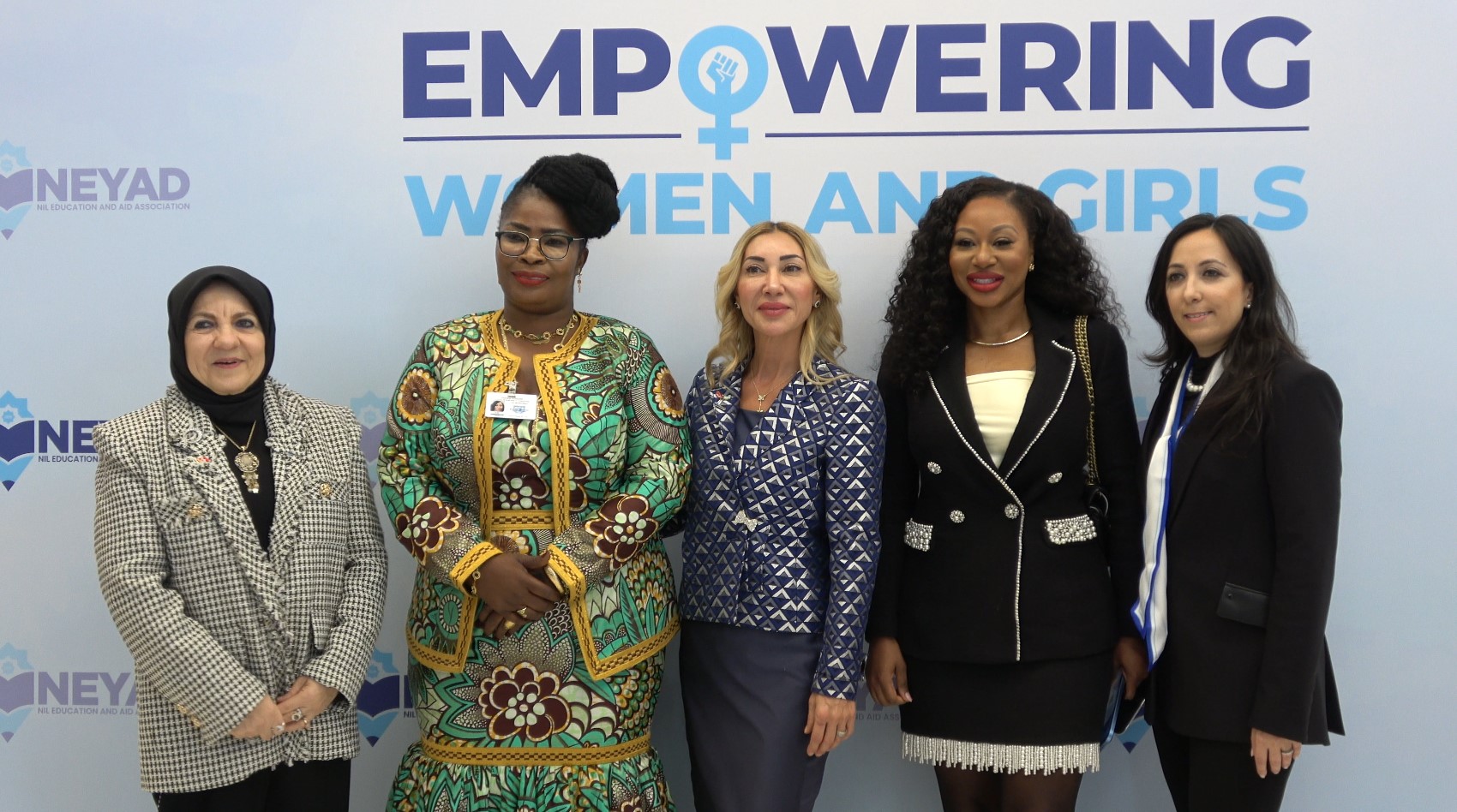
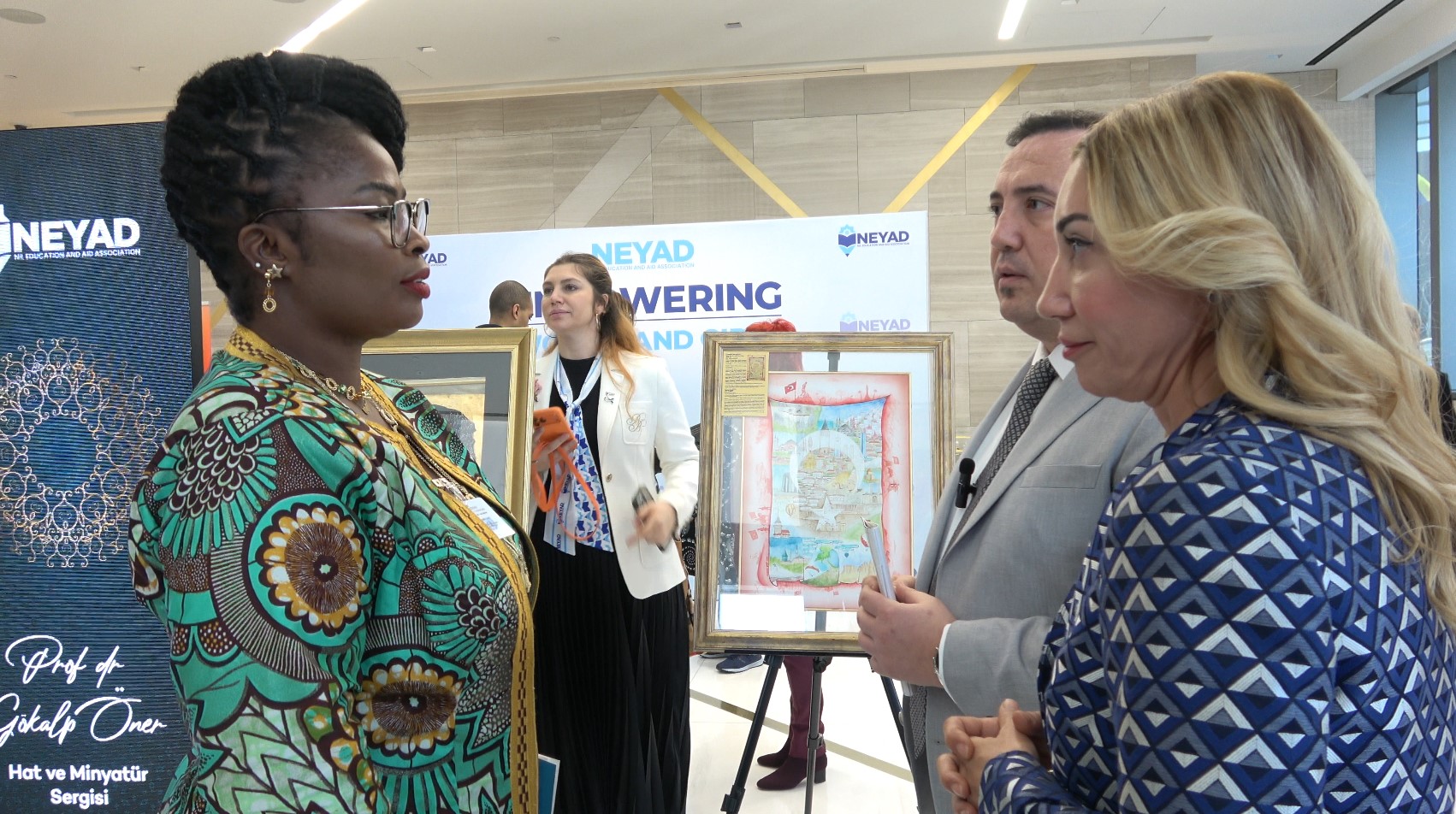
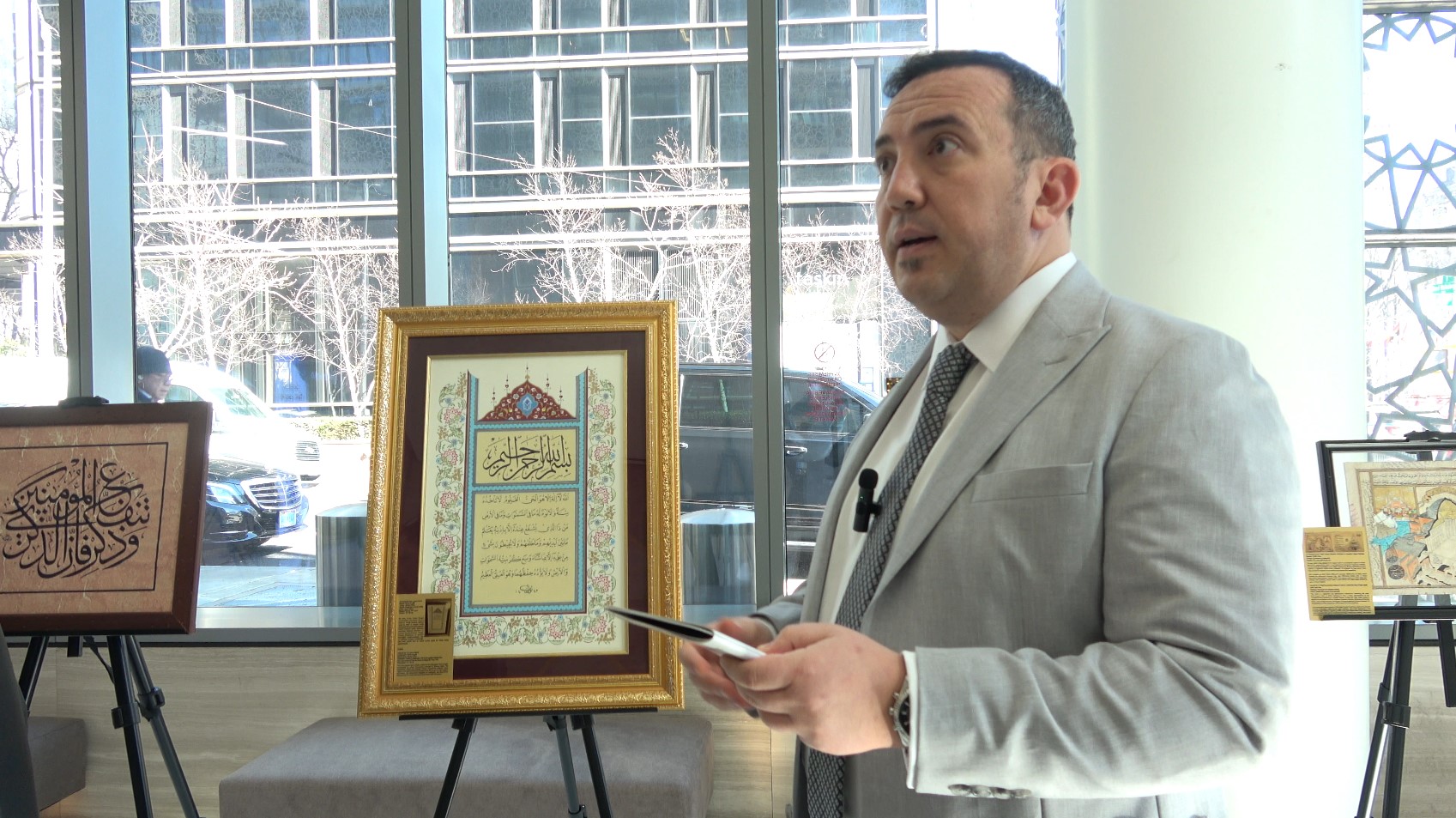
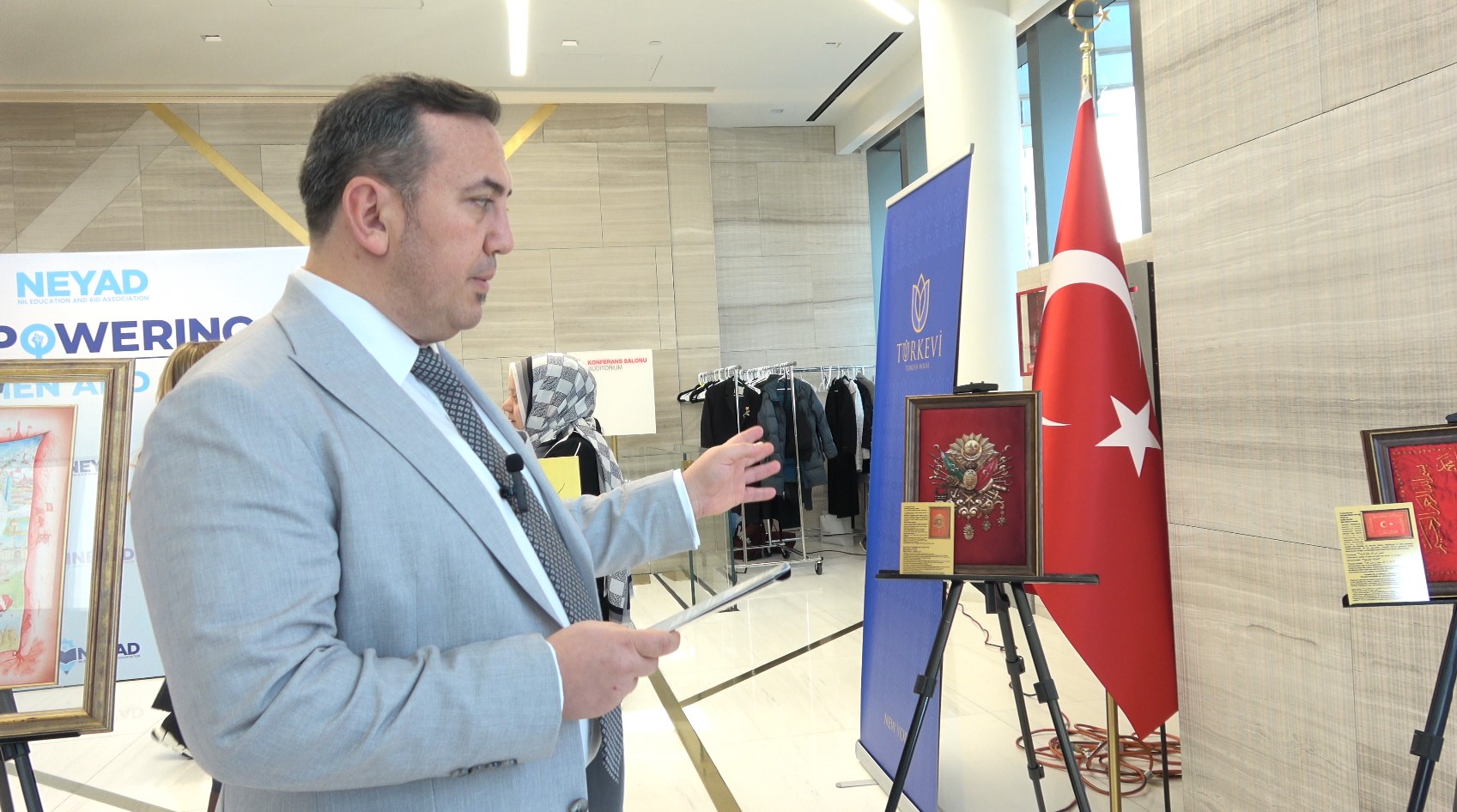
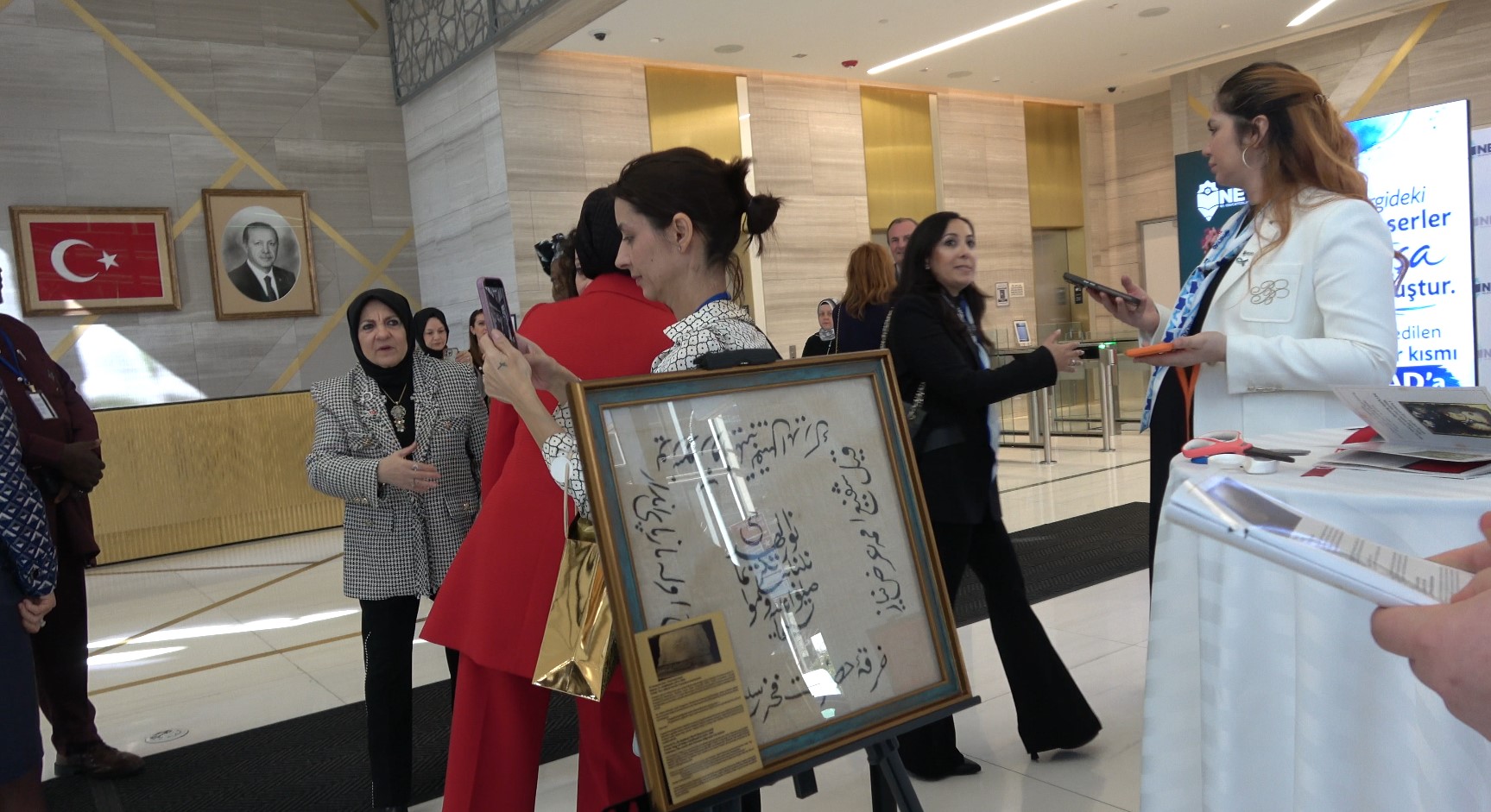
Celebrity Media Feature Report: At the Turkish Permanent Mission to the United Nations—Turkish House, located directly across from the United Nations Headquarters, a distinctive cultural and art exhibition was grandly held yesterday. The exhibition showcases the private collection of Dr. Gökçalp Öner, featuring valuable works including traditional Turkish manuscripts, calligraphy, and miniature paintings. More than an artistic feast, the exhibition represents a profound dialogue on the memory of civilization and the transmission of cultural heritage.
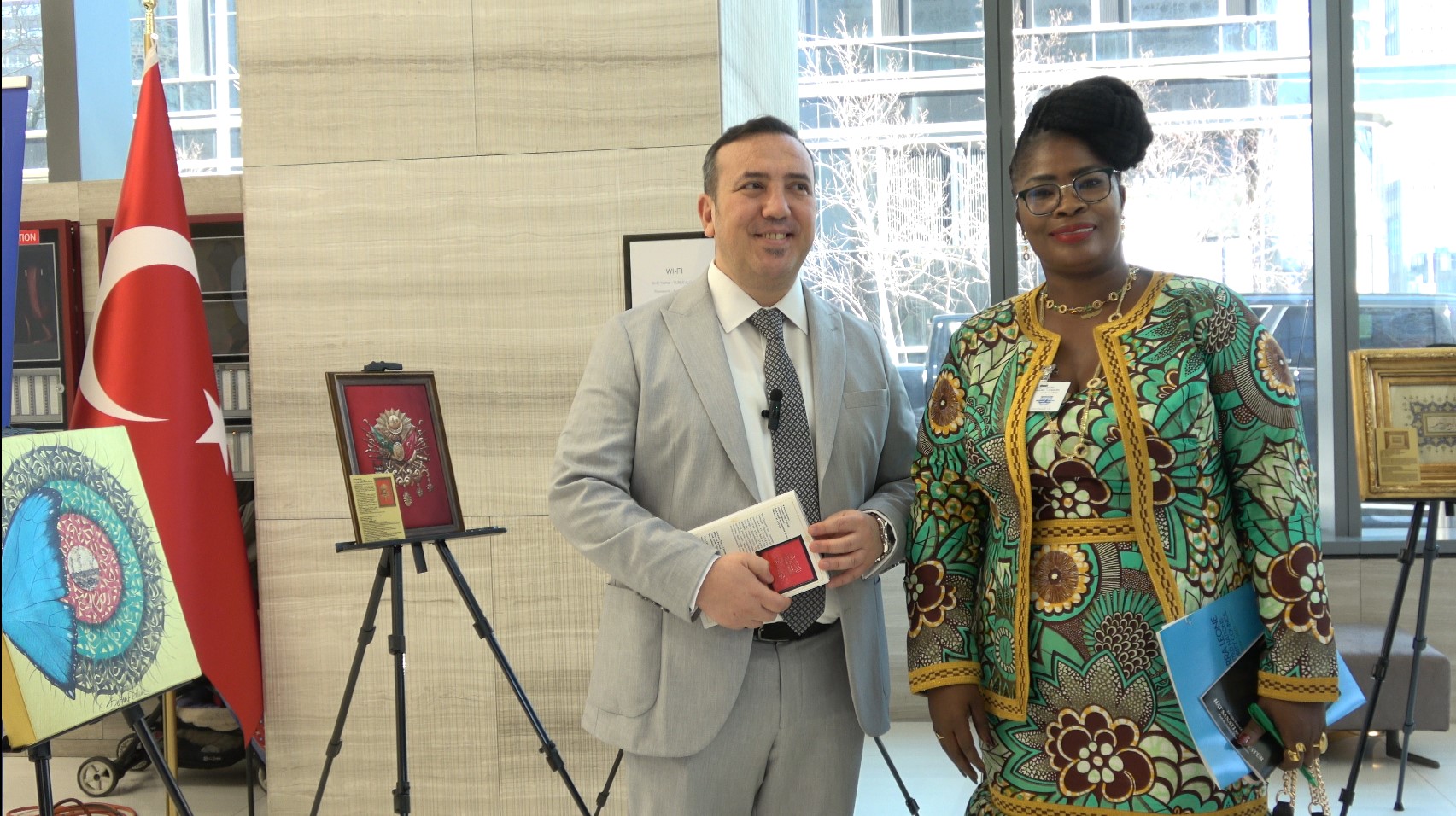
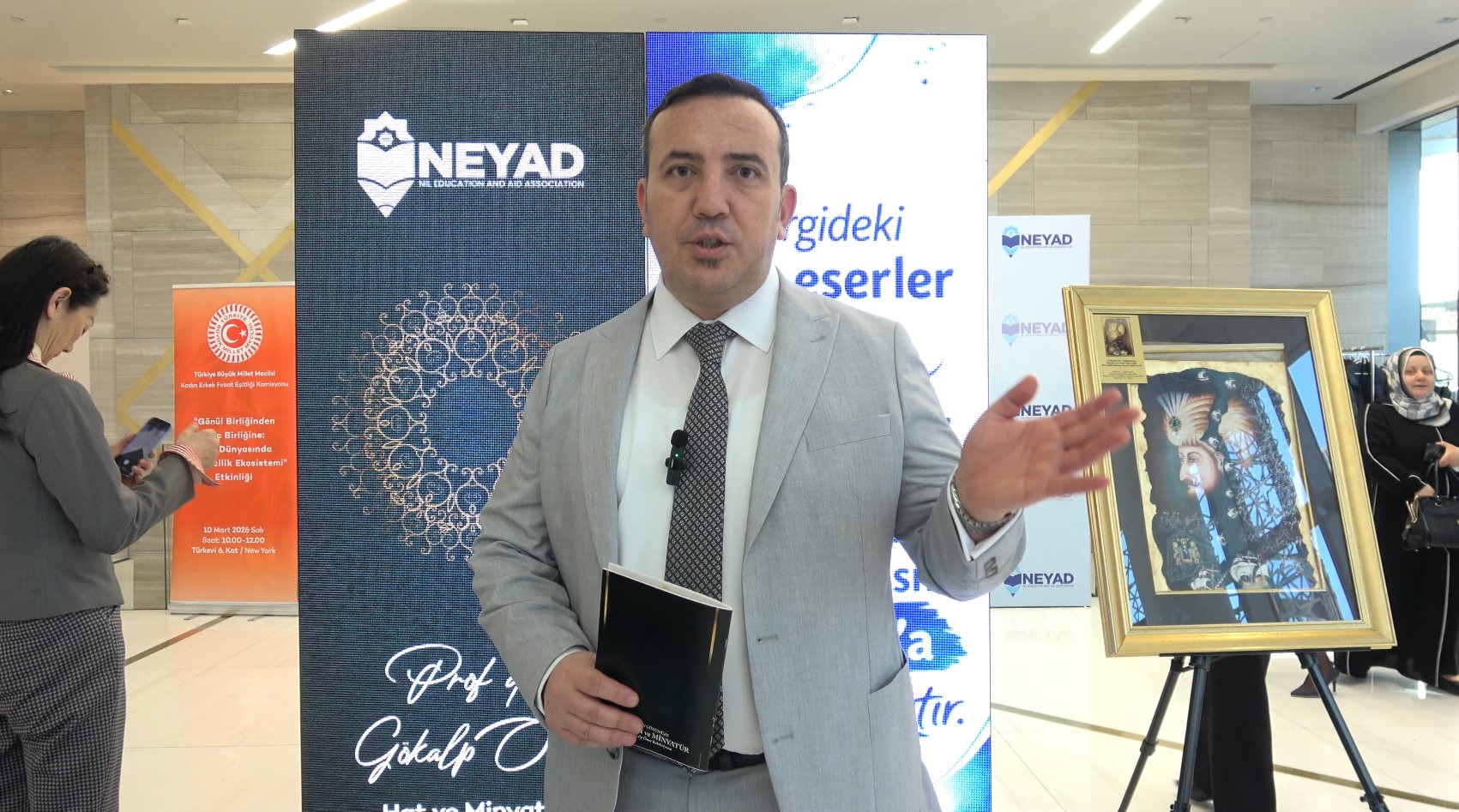
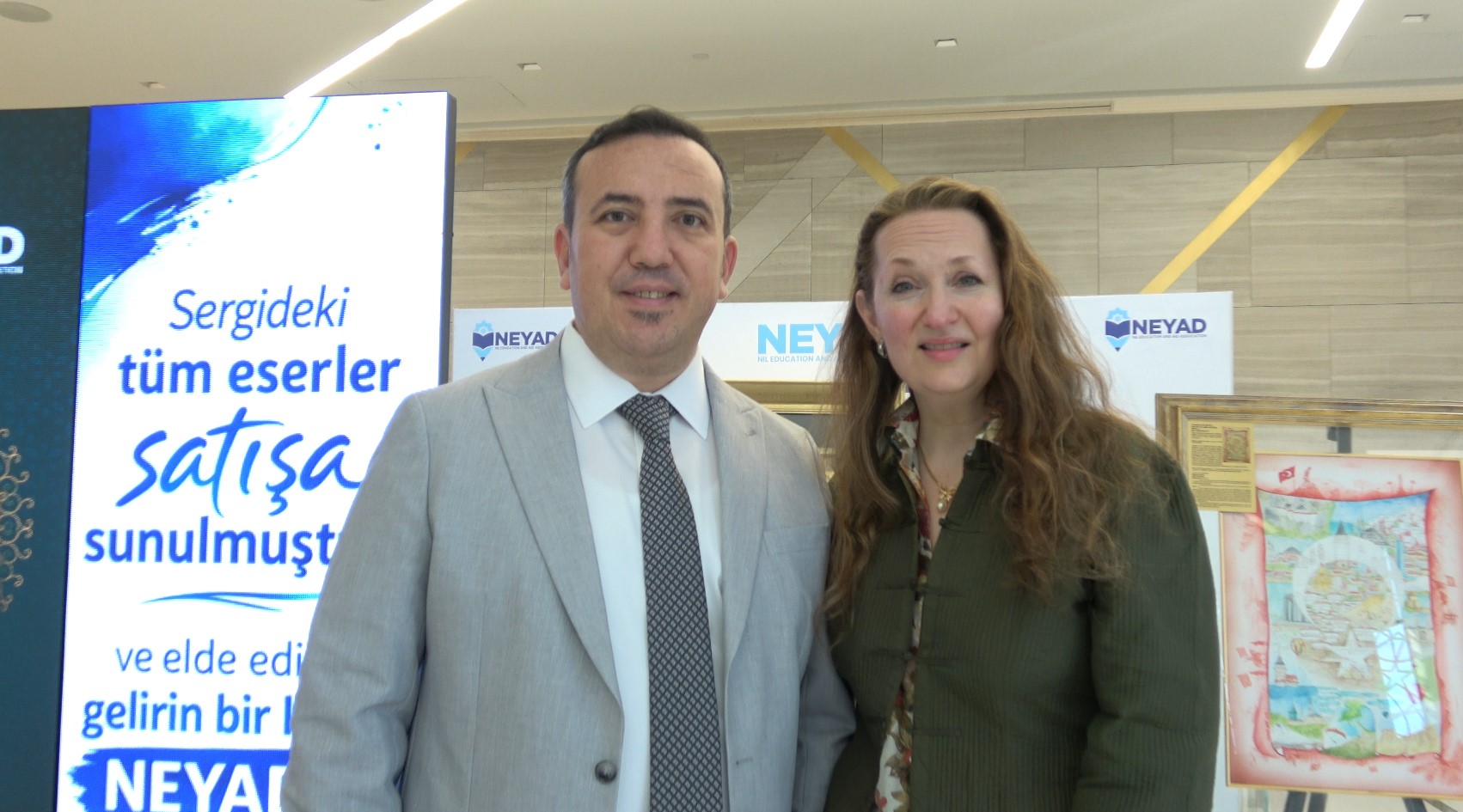
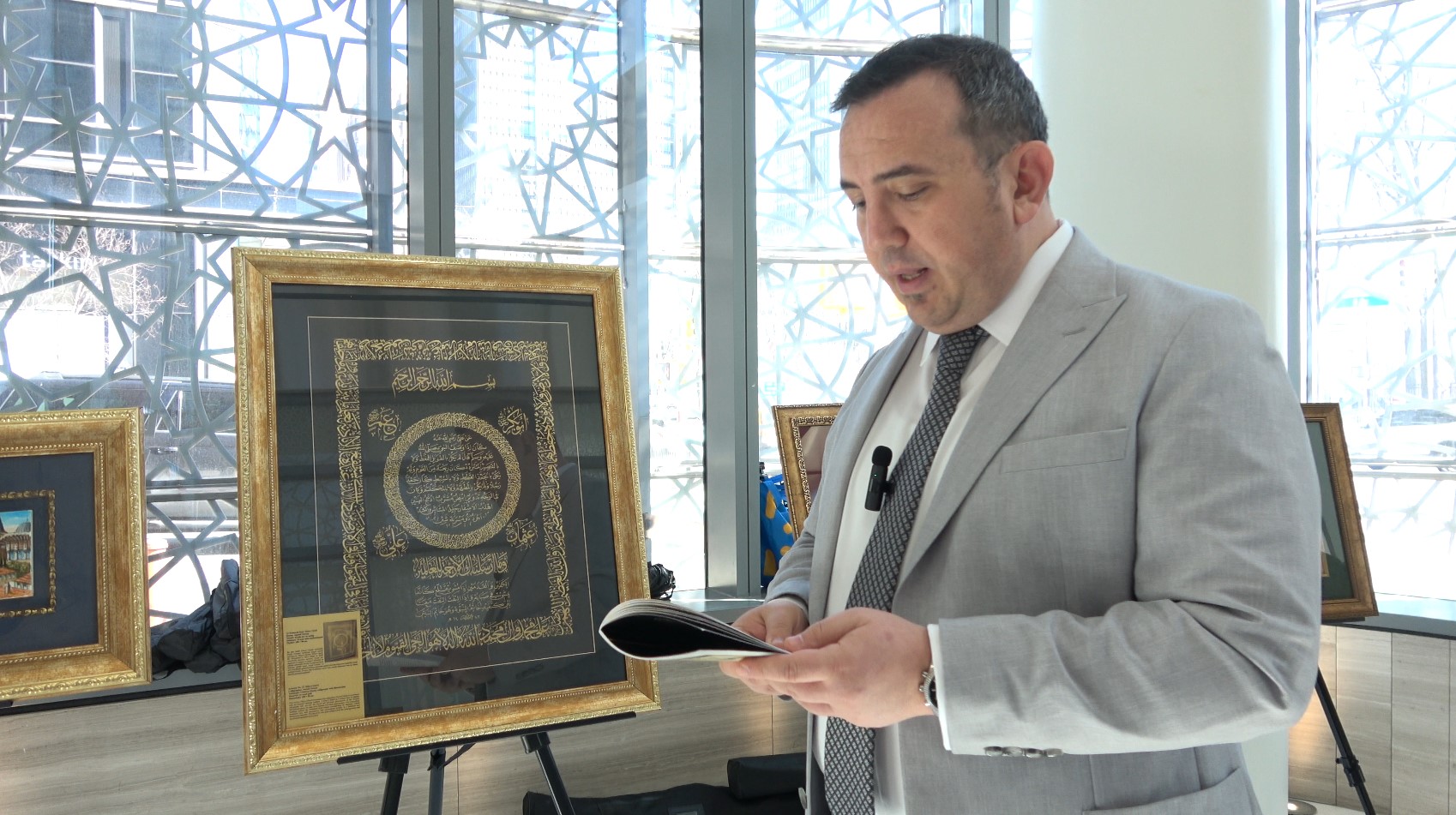
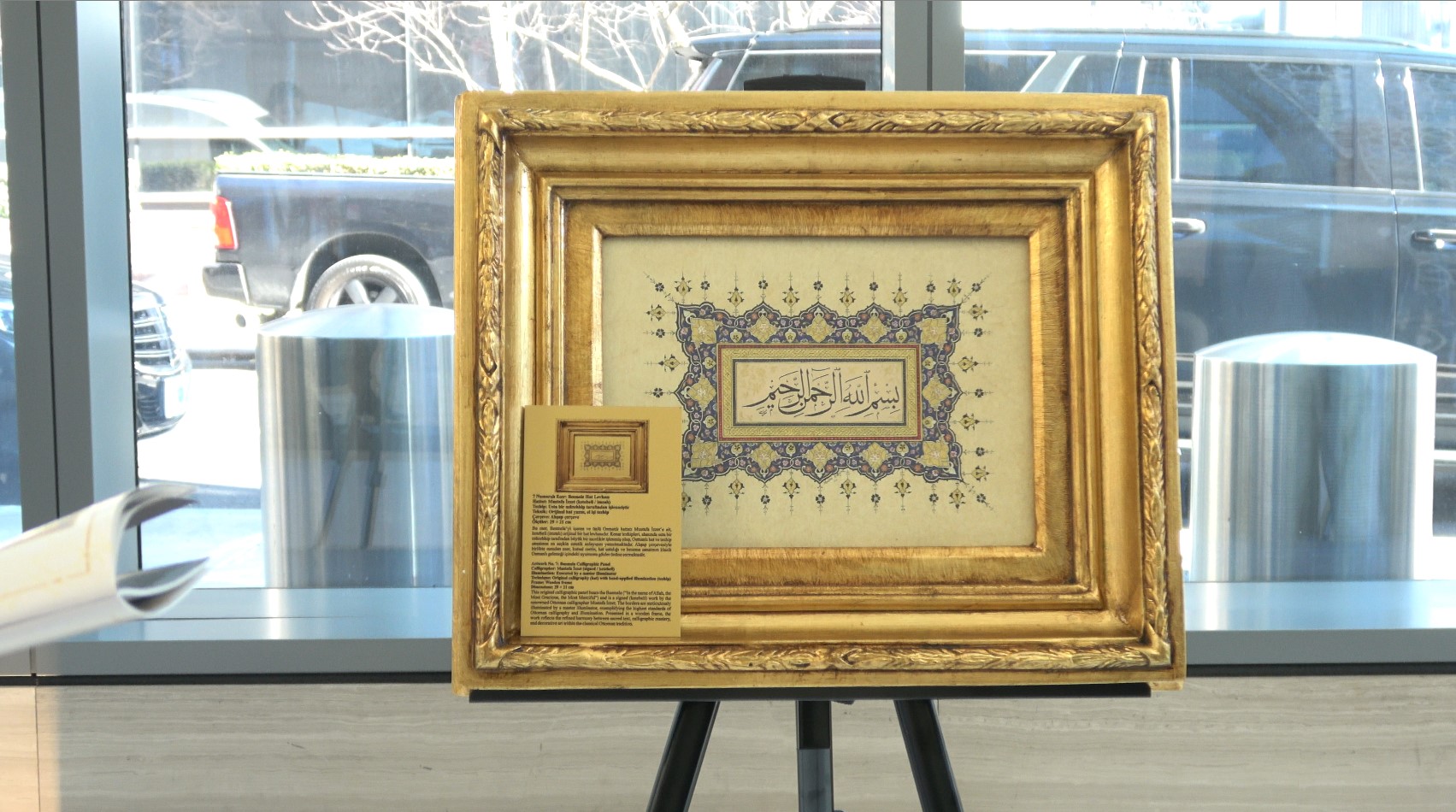
Among the most remarkable highlights is the Turkish calligraphy art known as Hüsn-i Hat, recognized by UNESCO as an Intangible Cultural Heritage of Humanity. This calligraphic tradition reached a high level of refinement during the Ottoman Empire. Its uniqueness lies in the fusion of textual structure, spiritual belief, and visual aesthetics. Whether in the solemn scripts of Qur’an manuscripts or in the imperial signatures known as tughra, it reflects the close relationship between writing and authority, as well as faith and artistic expression.
The exhibition also presents the exquisite manuscript illumination art known as Tezhip. This traditional craft decorates manuscript pages with gold leaf and natural mineral pigments, creating a magnificent yet dignified visual effect through symmetrical structures and intricate patterns. Its artistic tradition can be traced back to the workshops of the Ottoman court, and many classic works are now preserved in the Topkapı Palace Museum in Istanbul.
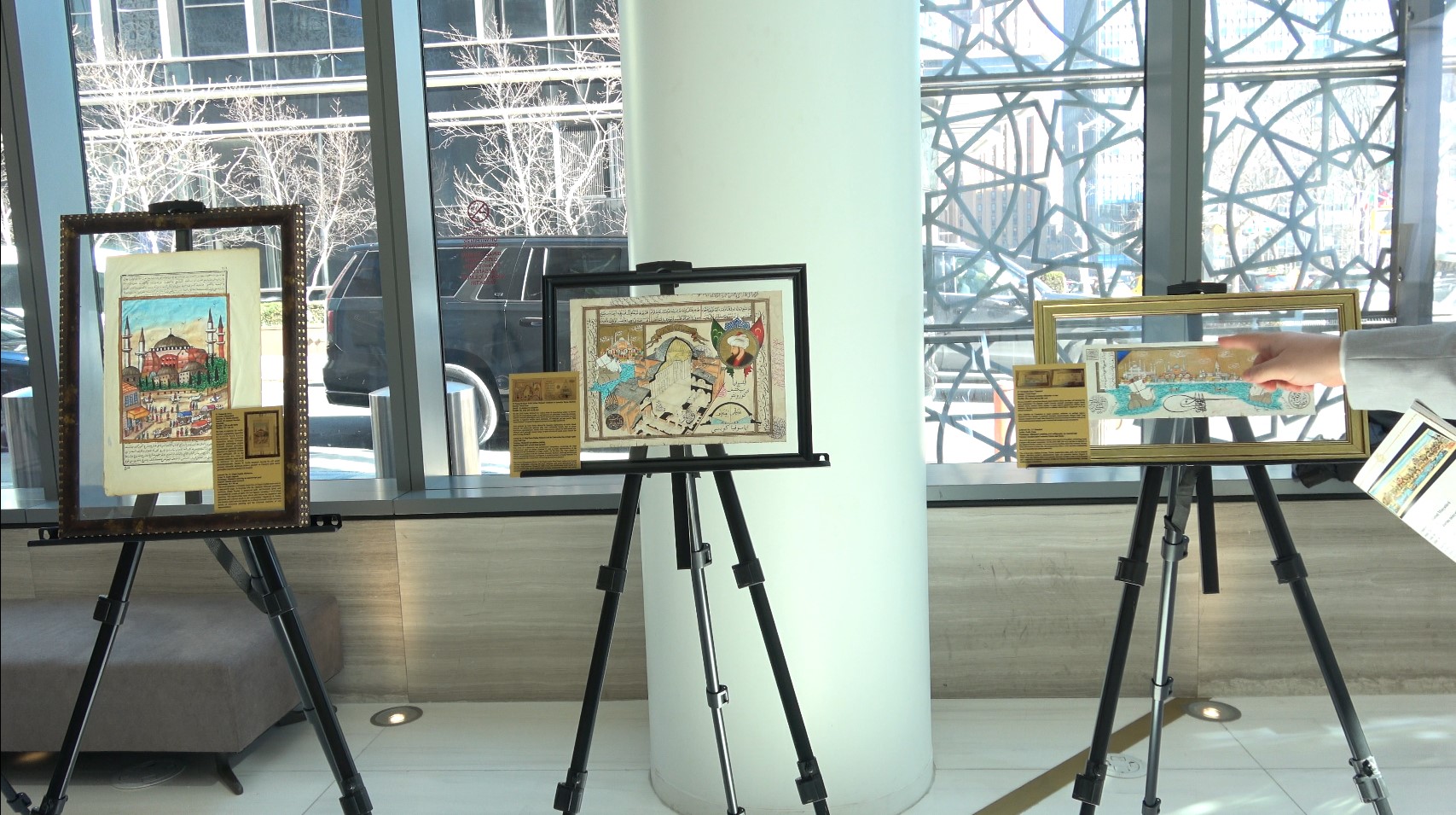
Complementing the calligraphy and manuscripts are the delicate Ottoman miniature paintings (Tasvir). Though usually small in size, these paintings depict historical scenes, court life, and social activities with an extraordinary density of detail. Their vivid colors and compact compositions serve both narrative and symbolic functions, forming an important visual archive for the study of Ottoman social and cultural history.
It is worth noting that the collector of this exhibition, Dr. Gökçalp Öner, is not a professional artist but a highly accomplished expert in the field of medicine. As a gynecology and infertility specialist with more than fifteen years of clinical experience, he has long been engaged in research on in vitro fertilization (IVF), reproductive endocrinology, and pregnancy care. He possesses extensive experience in ovarian stimulation, embryo culture, and genetic testing.
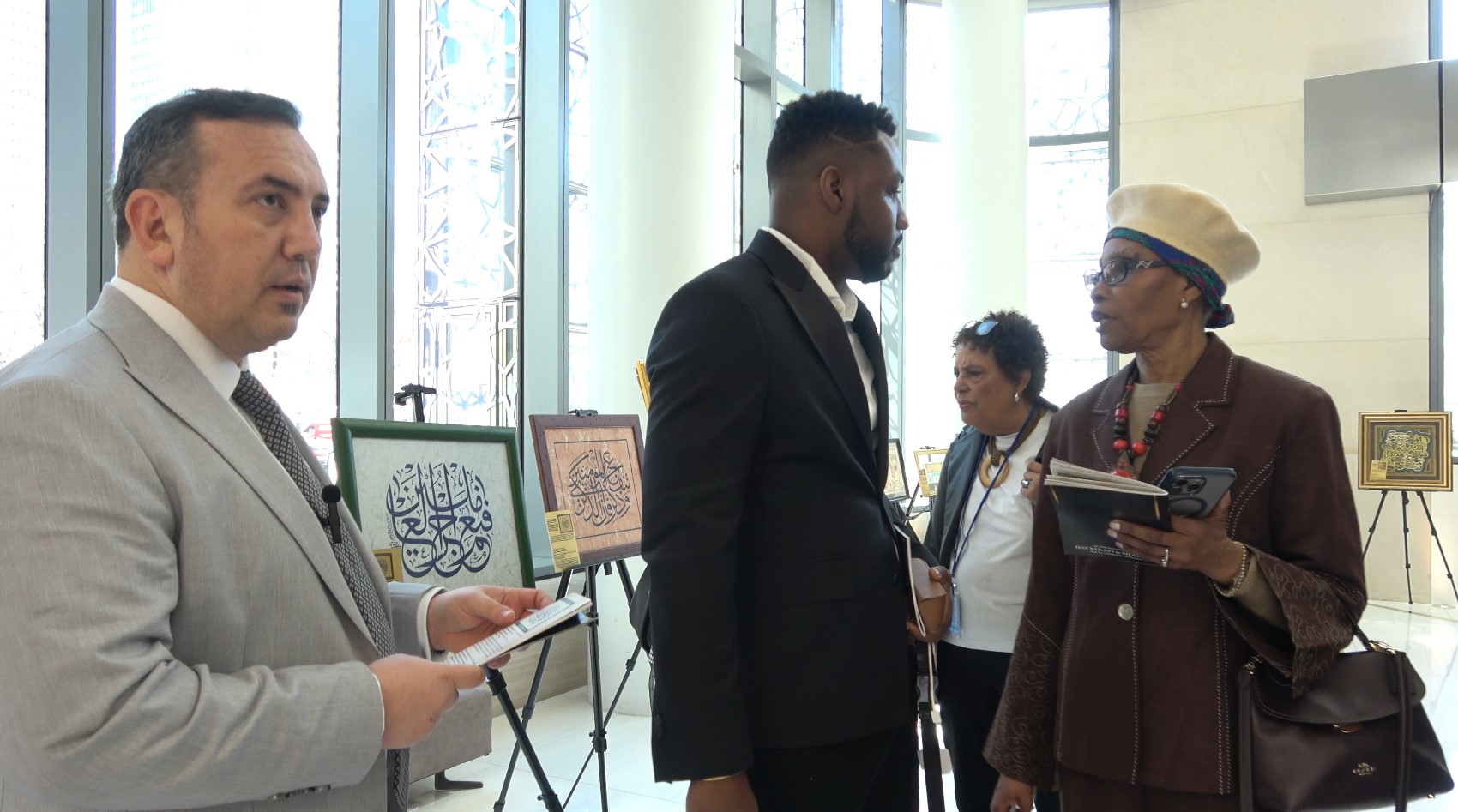
Dr. Öner is a member of the European Society of Human Reproduction and Embryology (ESHRE) and the Turkish Society of Reproductive Medicine (TSRM), and is also an active member of the Turkish Medical Association and the Turkish Society of Obstetrics and Gynecology. He has published important research papers on fresh and frozen euploid blastocyst transfer protocols. His work has had wide influence in evidence-based medical practice, and his clinical activities follow strict international medical standards.
A physician devoted to life science research who is also committed to the collection and promotion of traditional art embodies a meaningful cross-disciplinary interest. Medicine focuses on the birth and continuation of life, while traditional art records the history and spirit of civilization. In a broader sense, both point toward the continuity of human culture.
On the global platform of the United Nations, where diverse cultures converge, the exhibition presents not only the refined aesthetics of Ottoman art but also a bridge for cross-cultural understanding. Through these manuscripts, calligraphy, and miniature paintings, visitors are invited to reconsider the value of traditional art in modern society—it belongs not only to museums but also to the living cultural memory of contemporary society.
As conveyed by the message of this exhibition, art does not exist in isolation. It emerges from history and responds to the present; it carries faith while shaping cultural identity. The collection of Dr. Gökçalp Öner offers a window through which one may glimpse the elegance and enduring legacy of Ottoman civilization across the long passage of time.