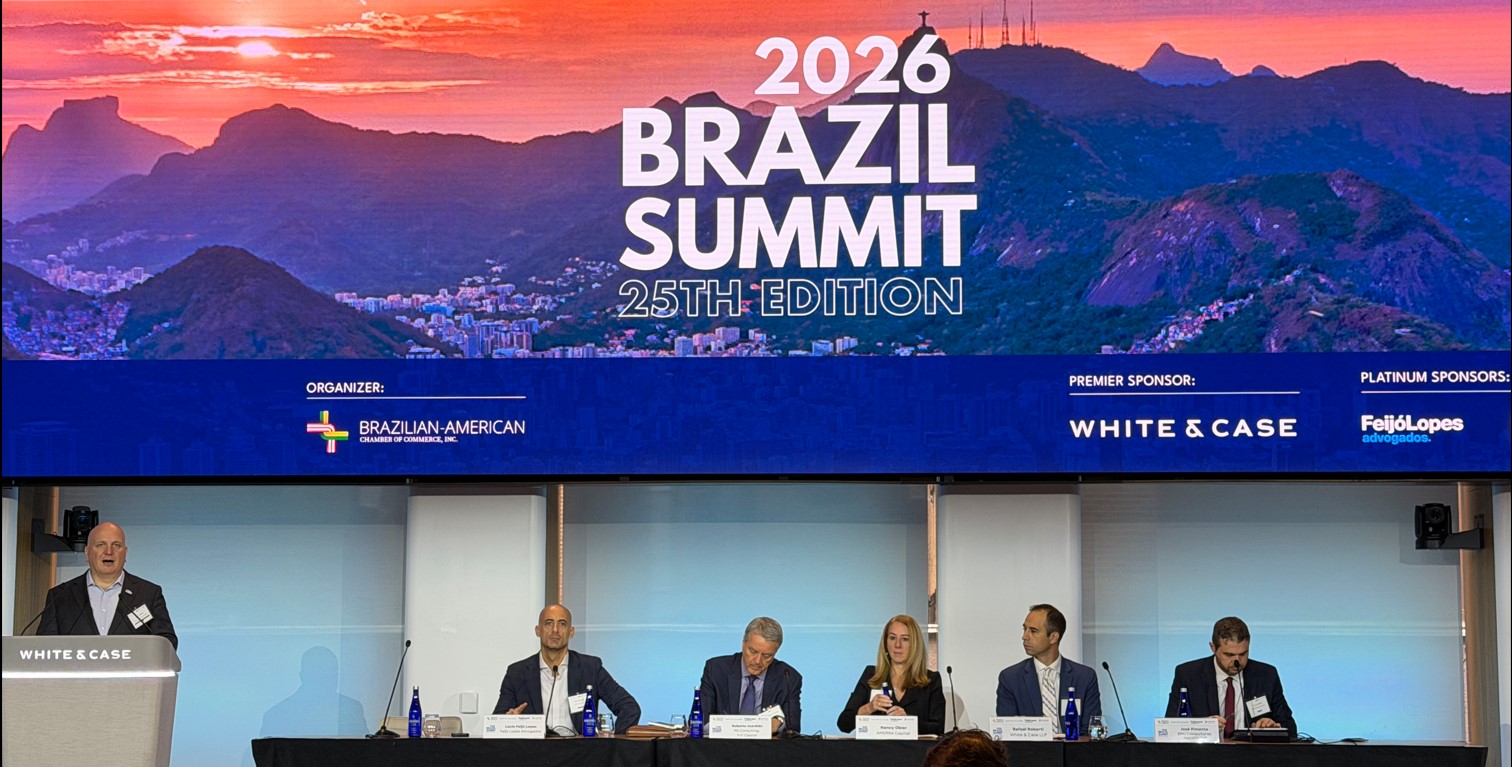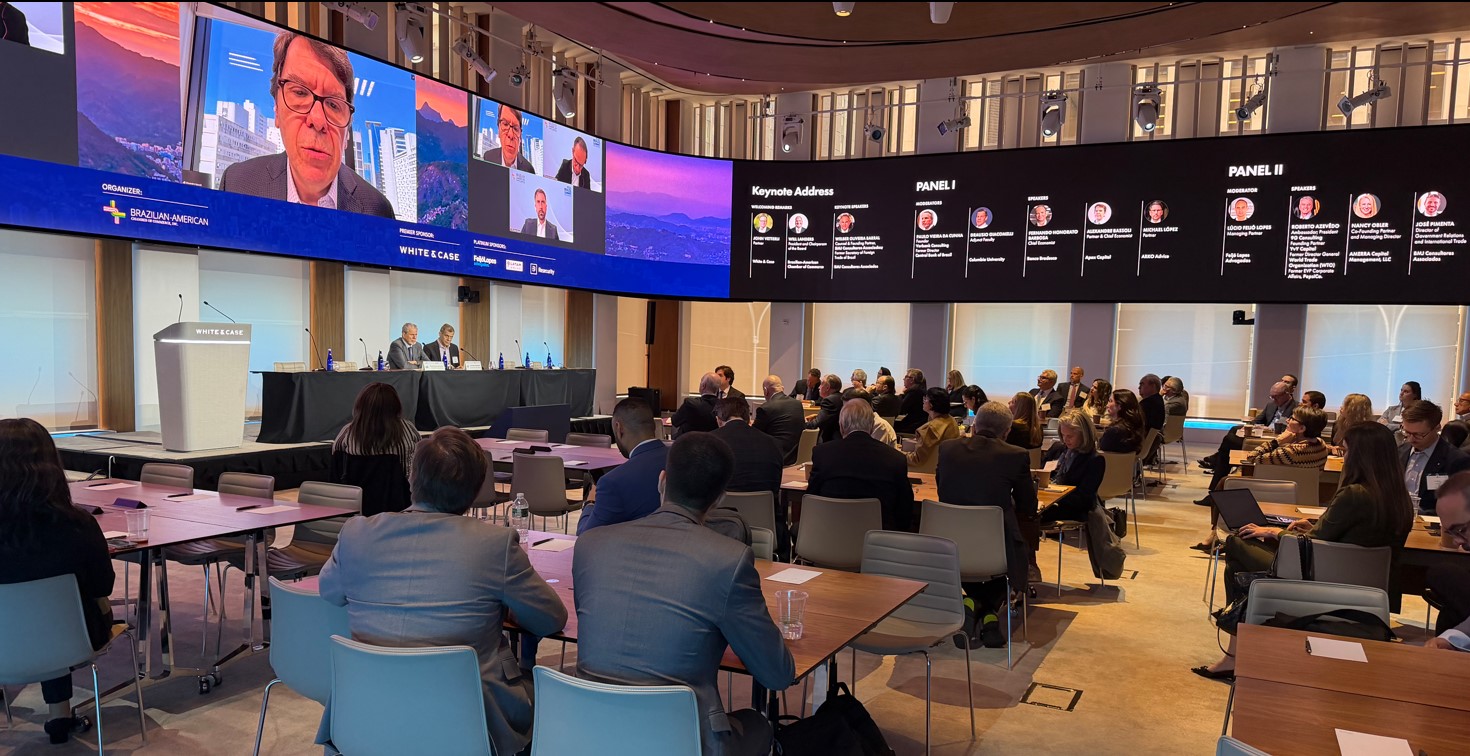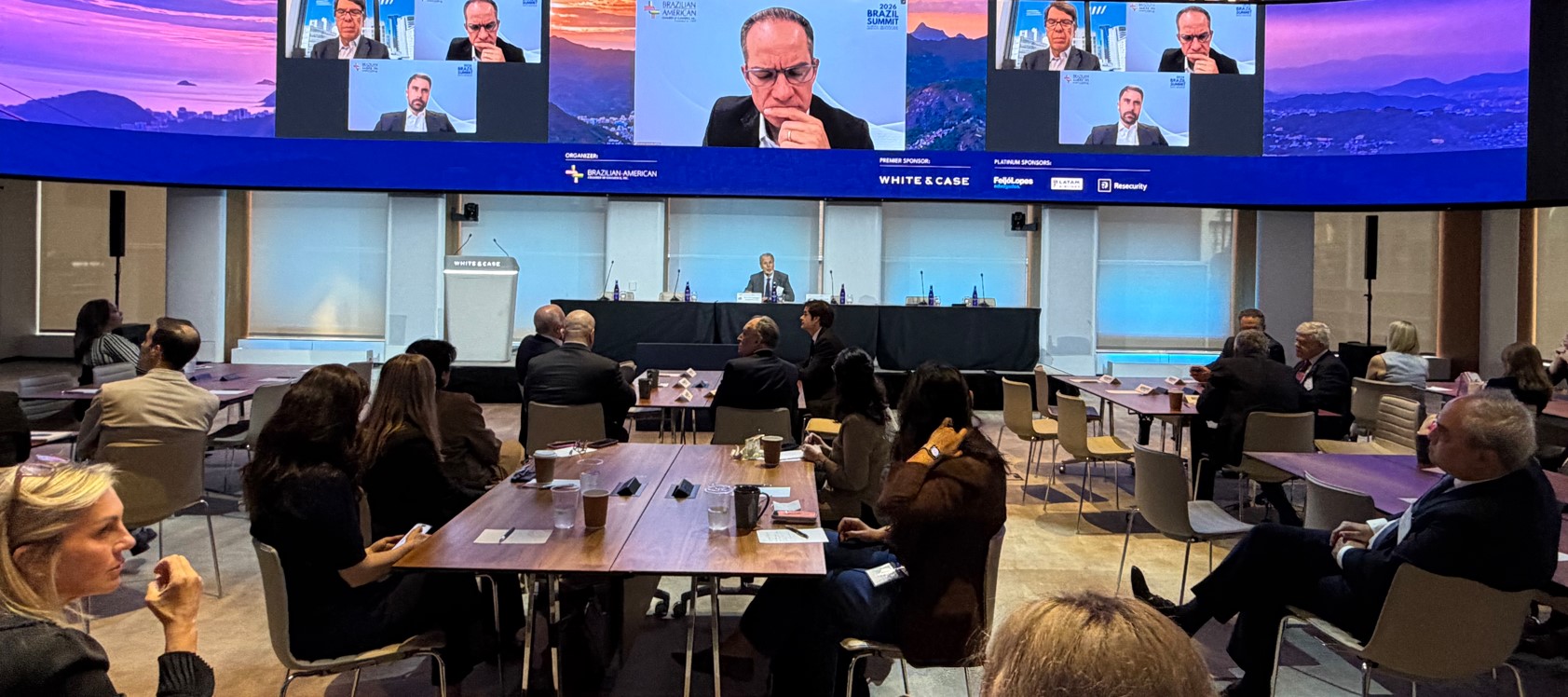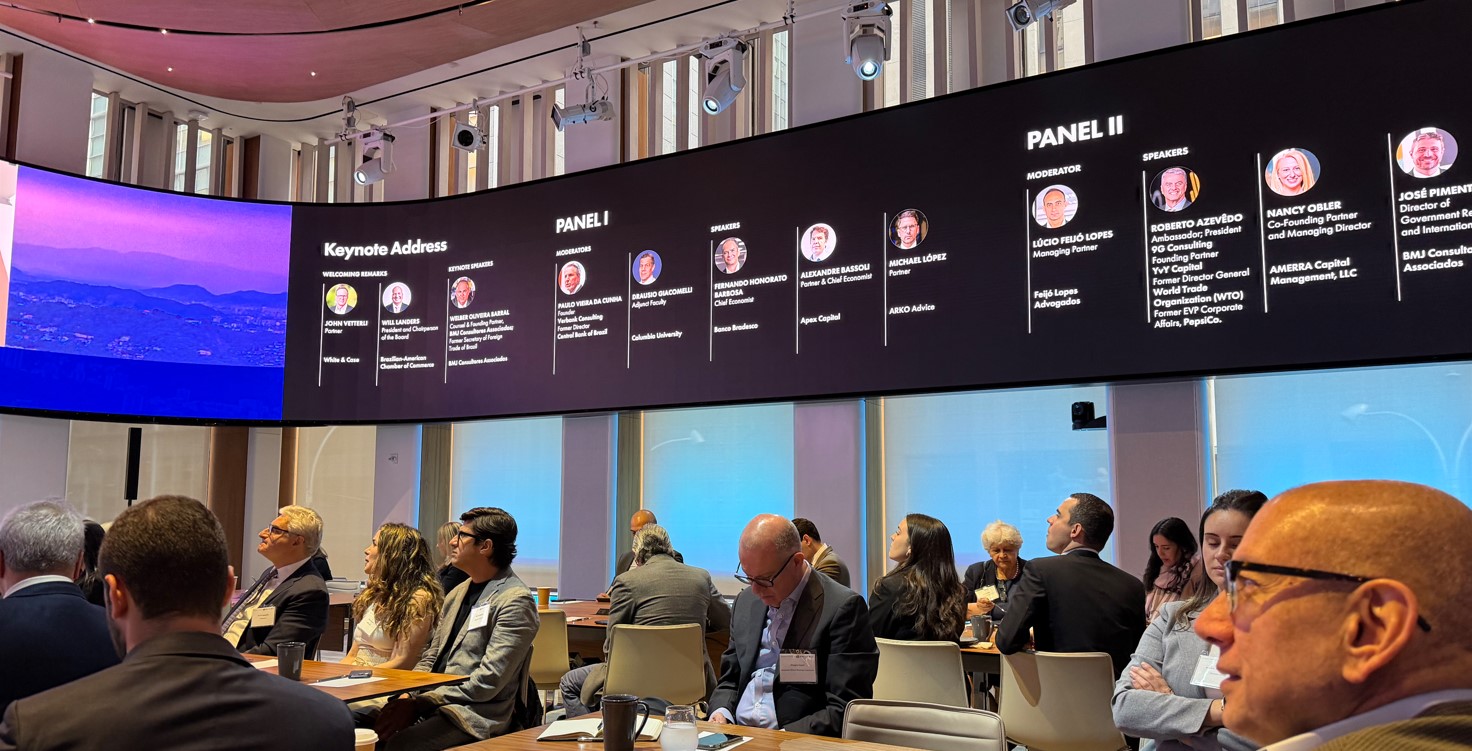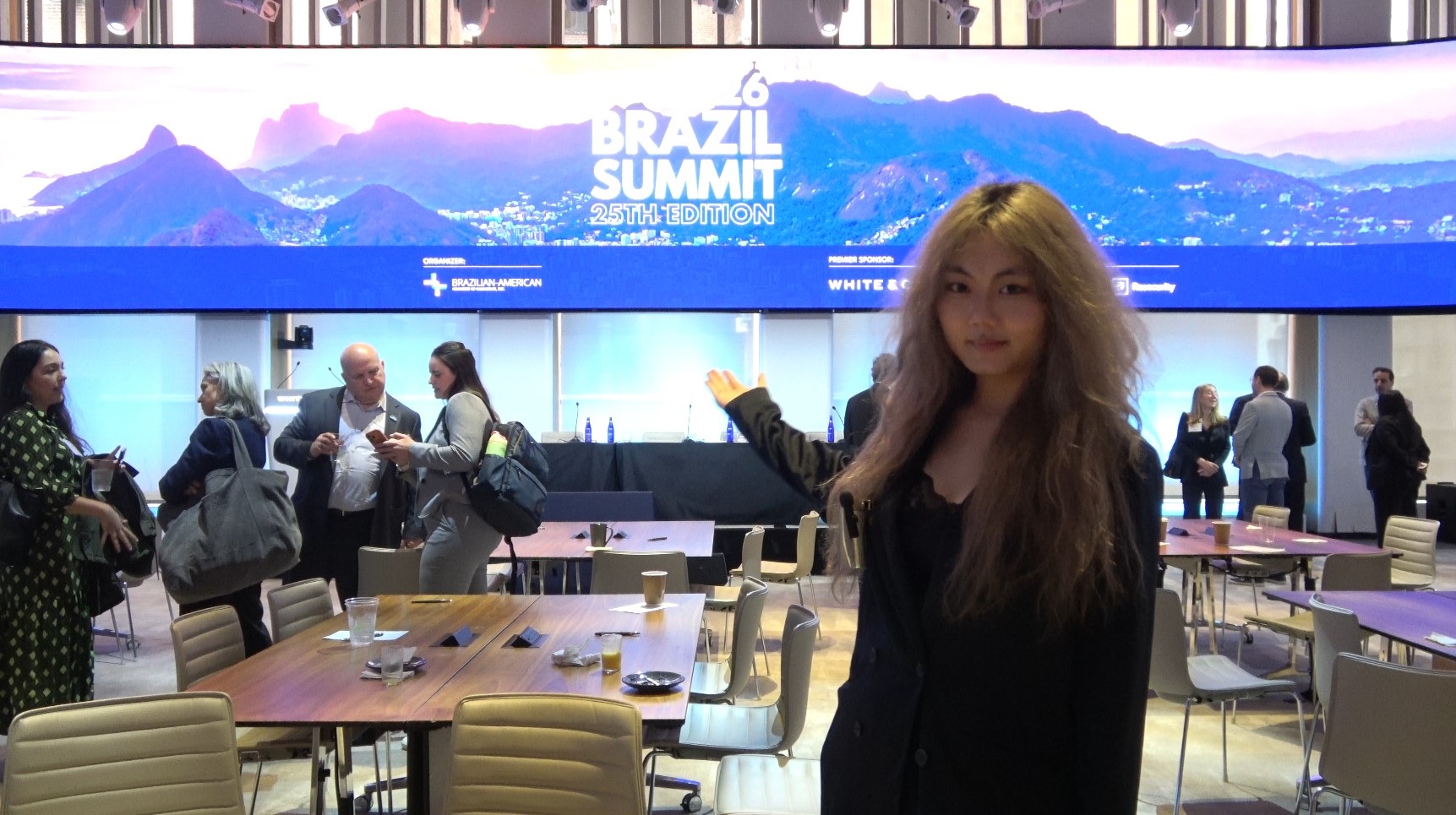








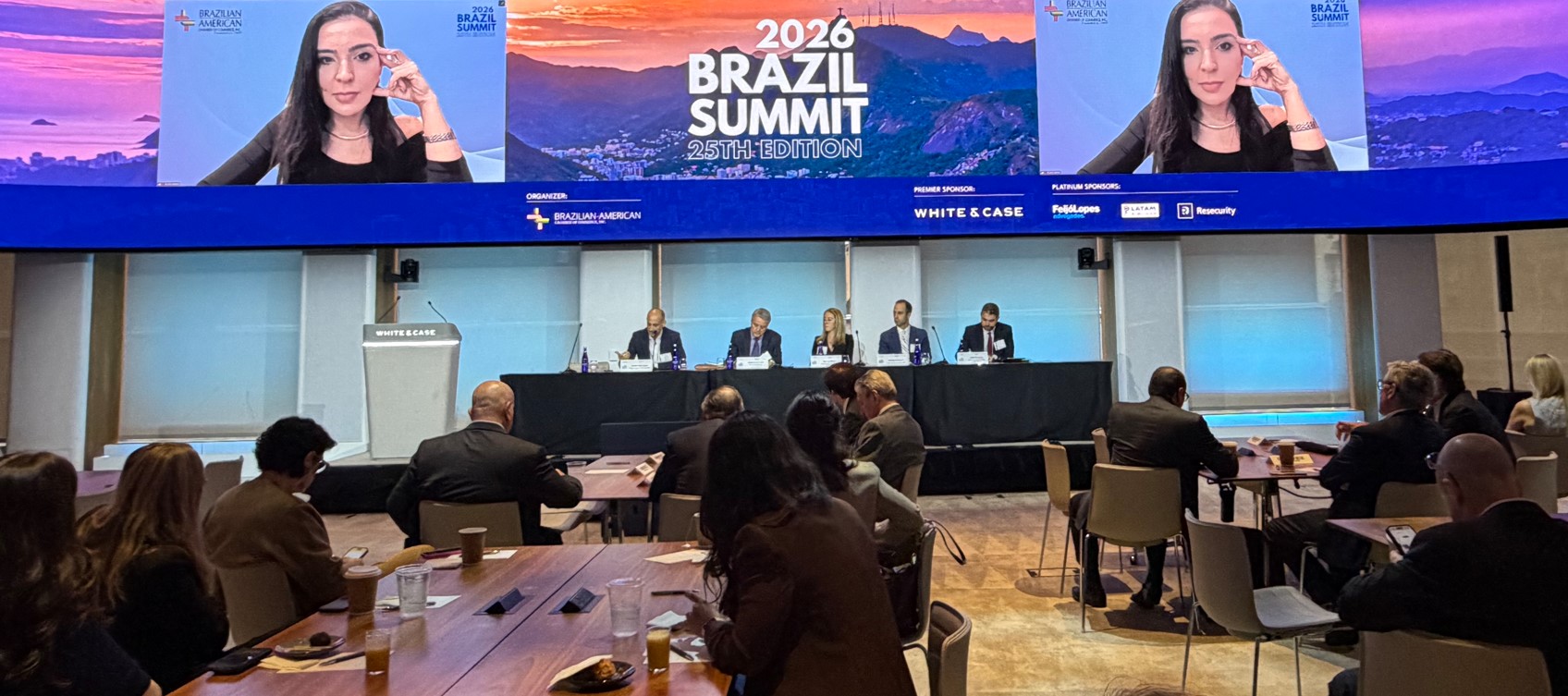
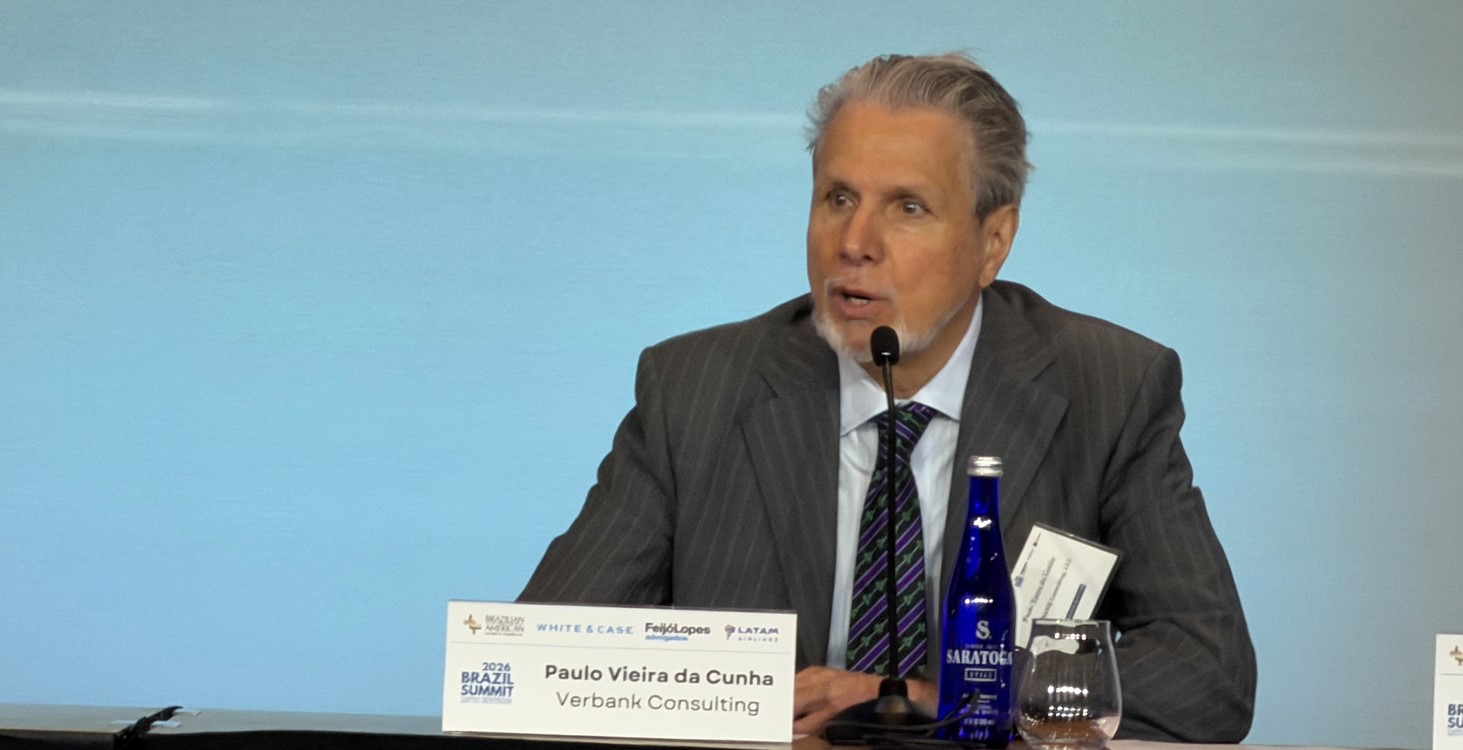
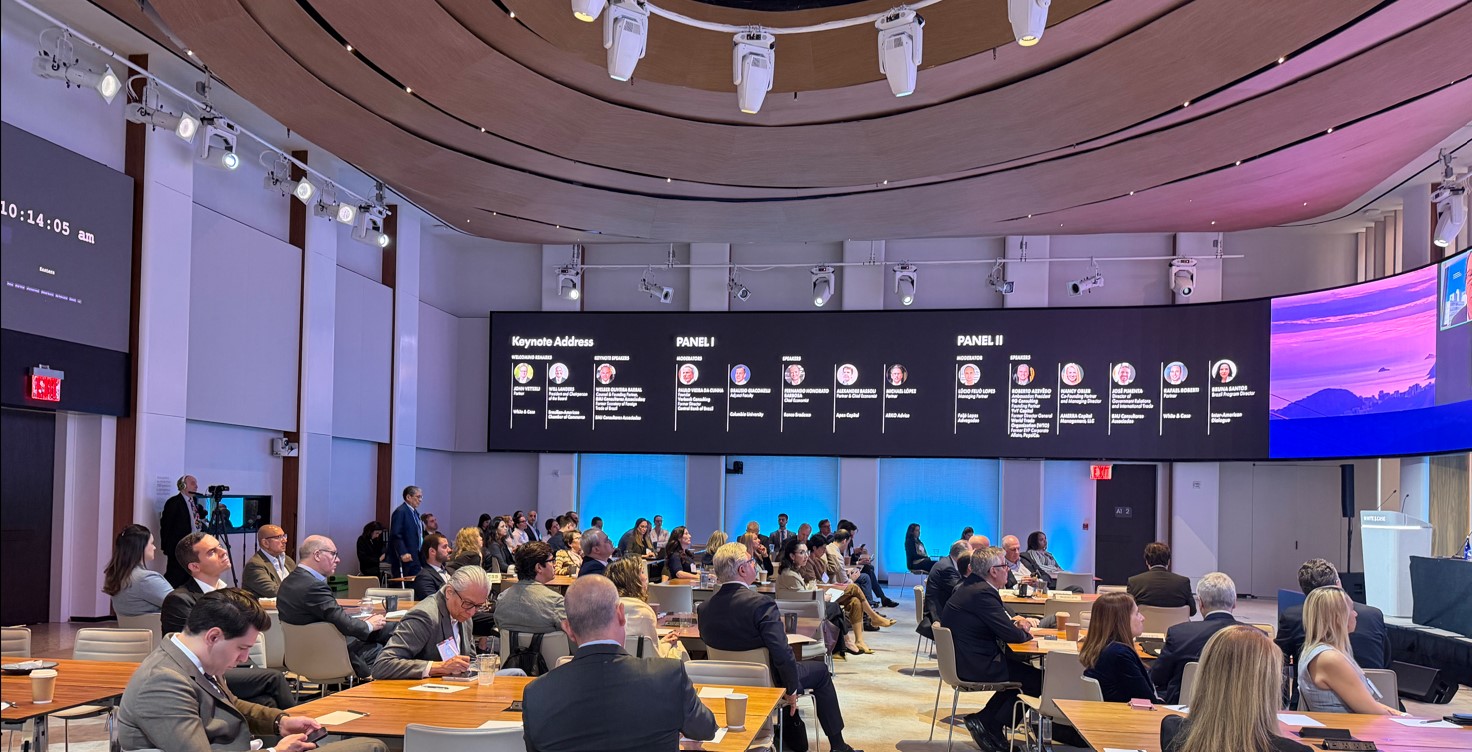
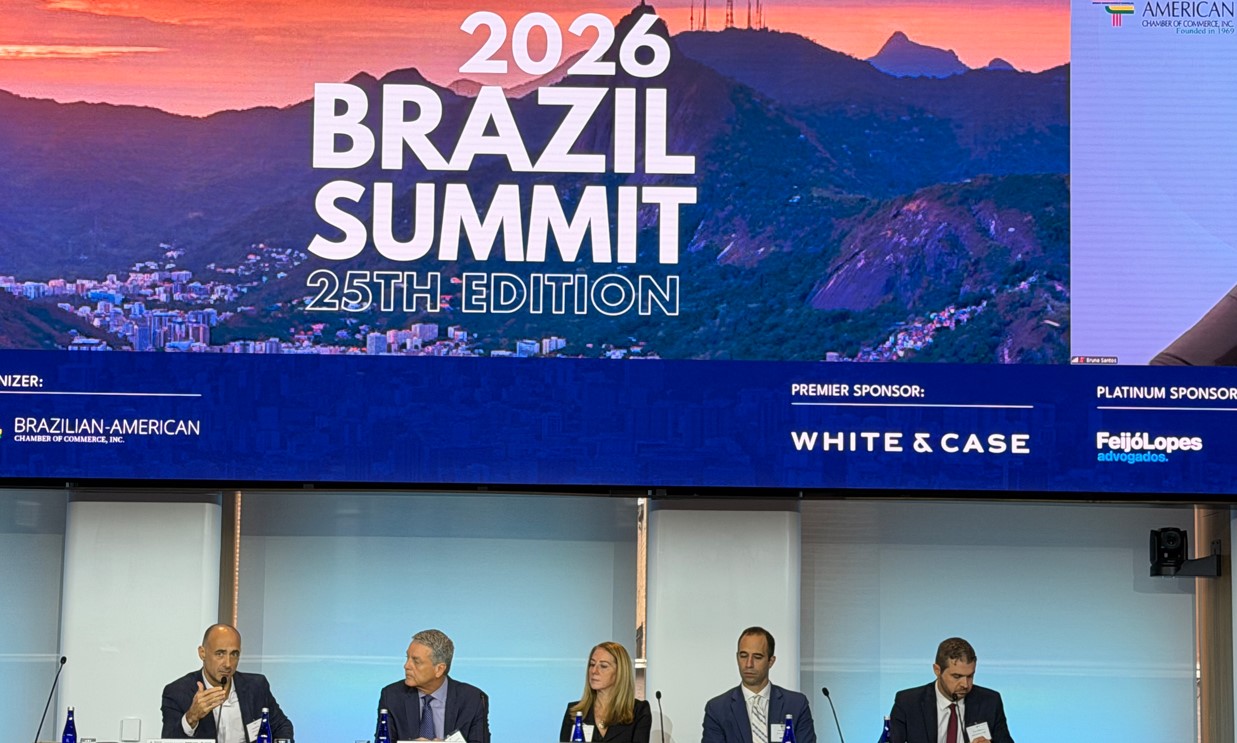
Celebrity Media Alliance Commentary: The 2026 Brazil Summit, hosted by the Brazilian-American Chamber of Commerce, was held in New York.As a high-level dialogue platform with a 25-year history, the summit continues to bring together key participants from government, capital markets, and industry. Amid rising global uncertainty, it provides a rare, concentrated space for assessing Brazil’s economic outlook and cross-border investment dynamics.
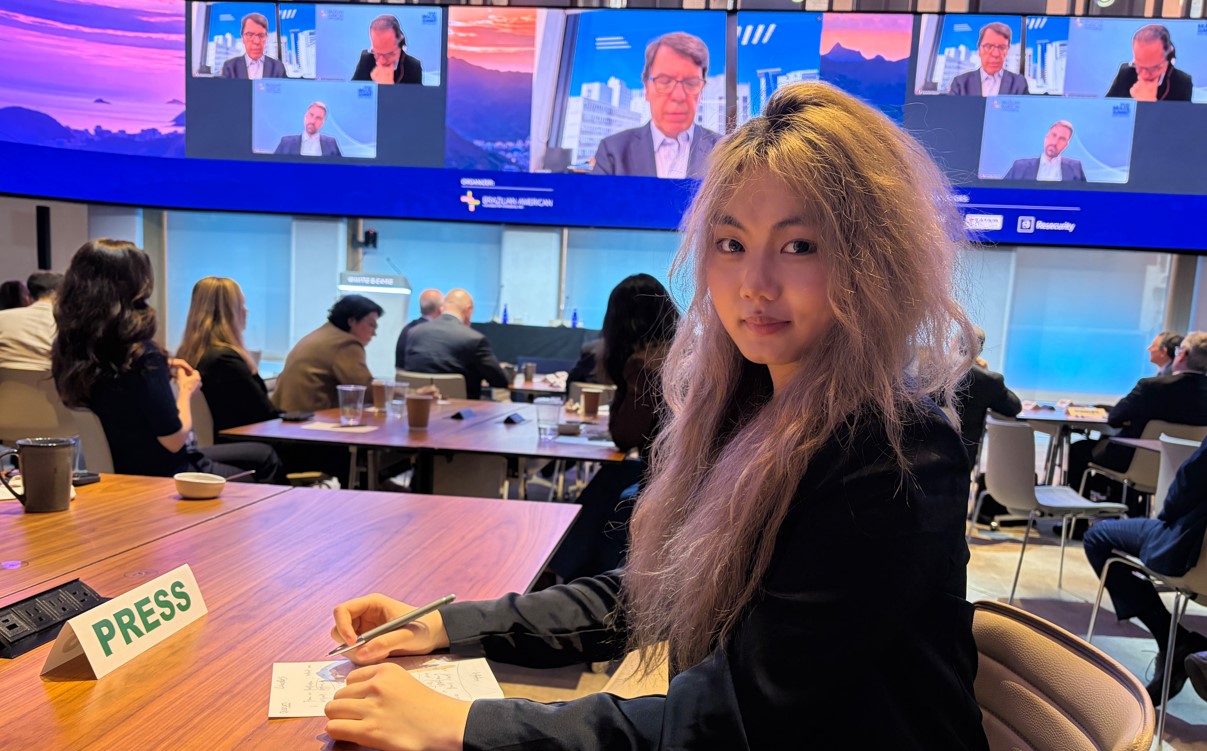
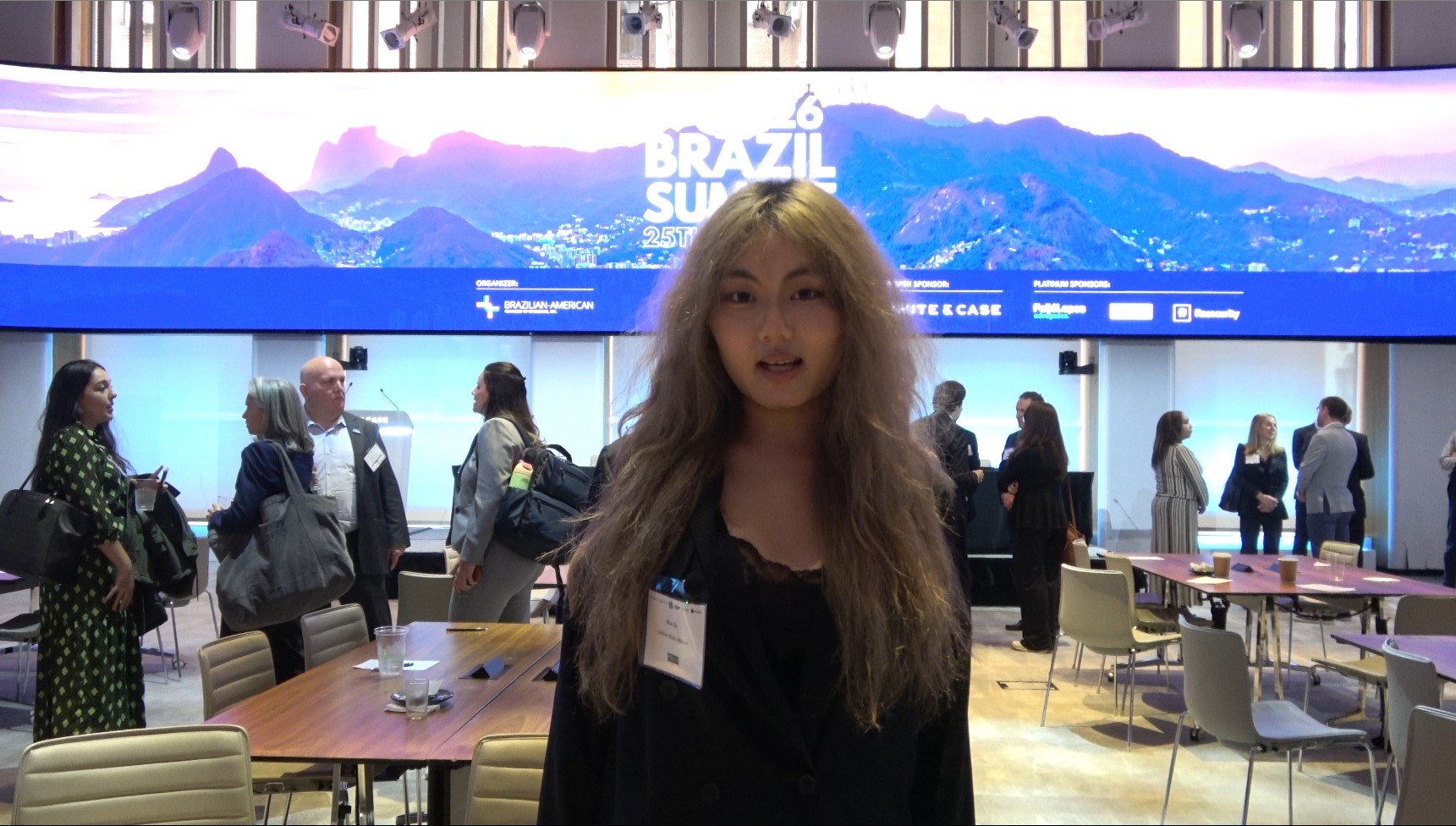
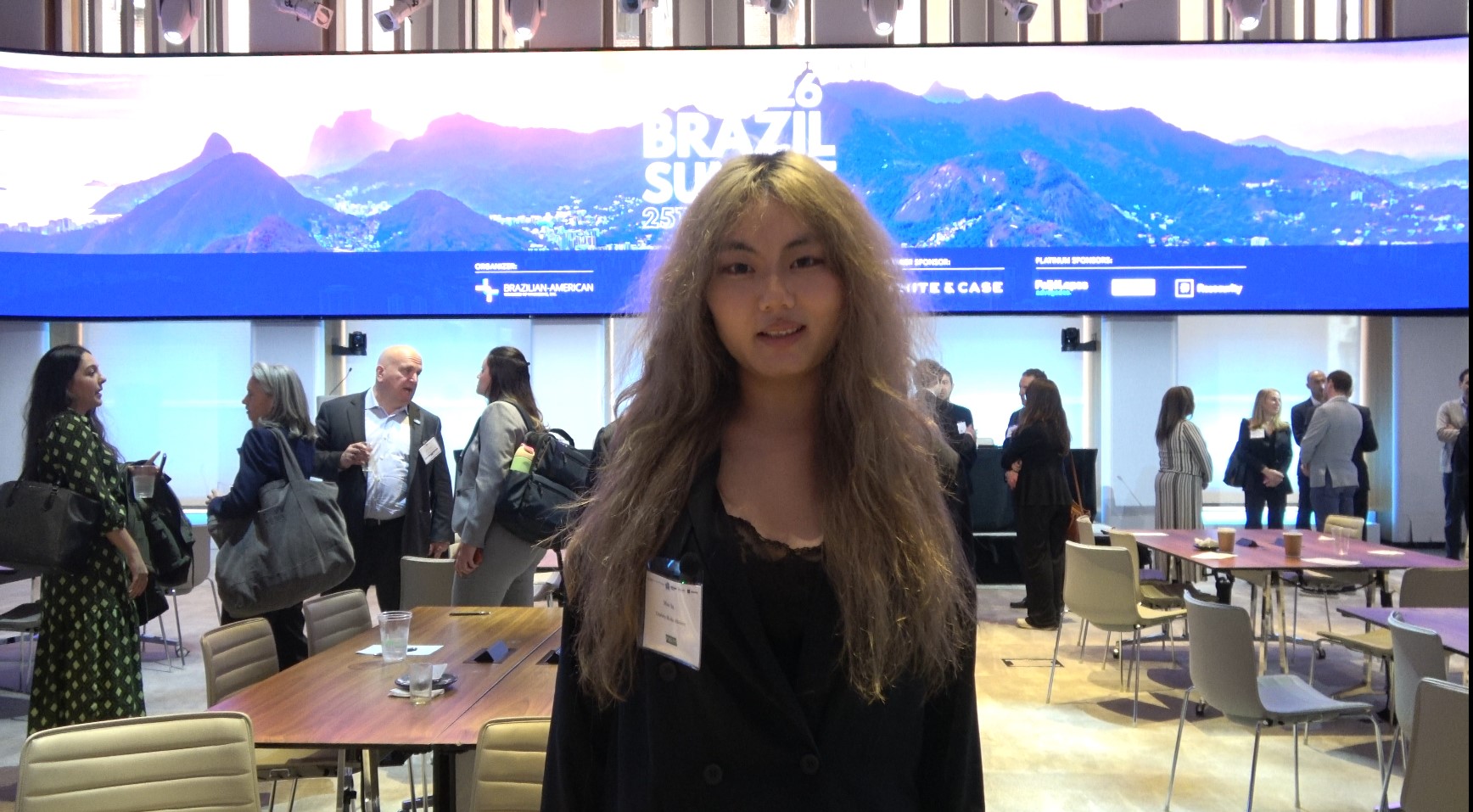
At this year’s summit, Celebrity Media Alliance host Miao Su conducted a series of interviews with key participants. Based on these frontline conversations, the summit presented not a simple “investment opportunity narrative,” but a complex reality shaped by geopolitics, capital flows, and structural economic adjustments.
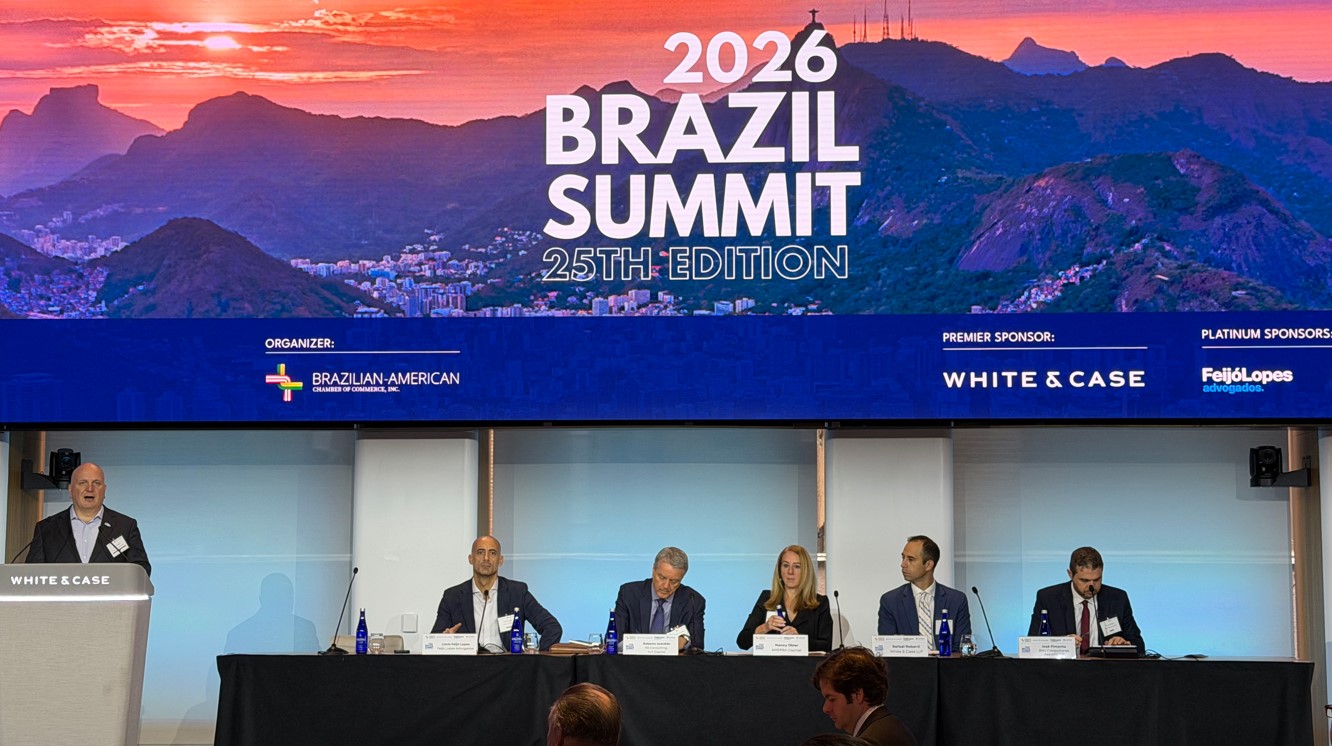
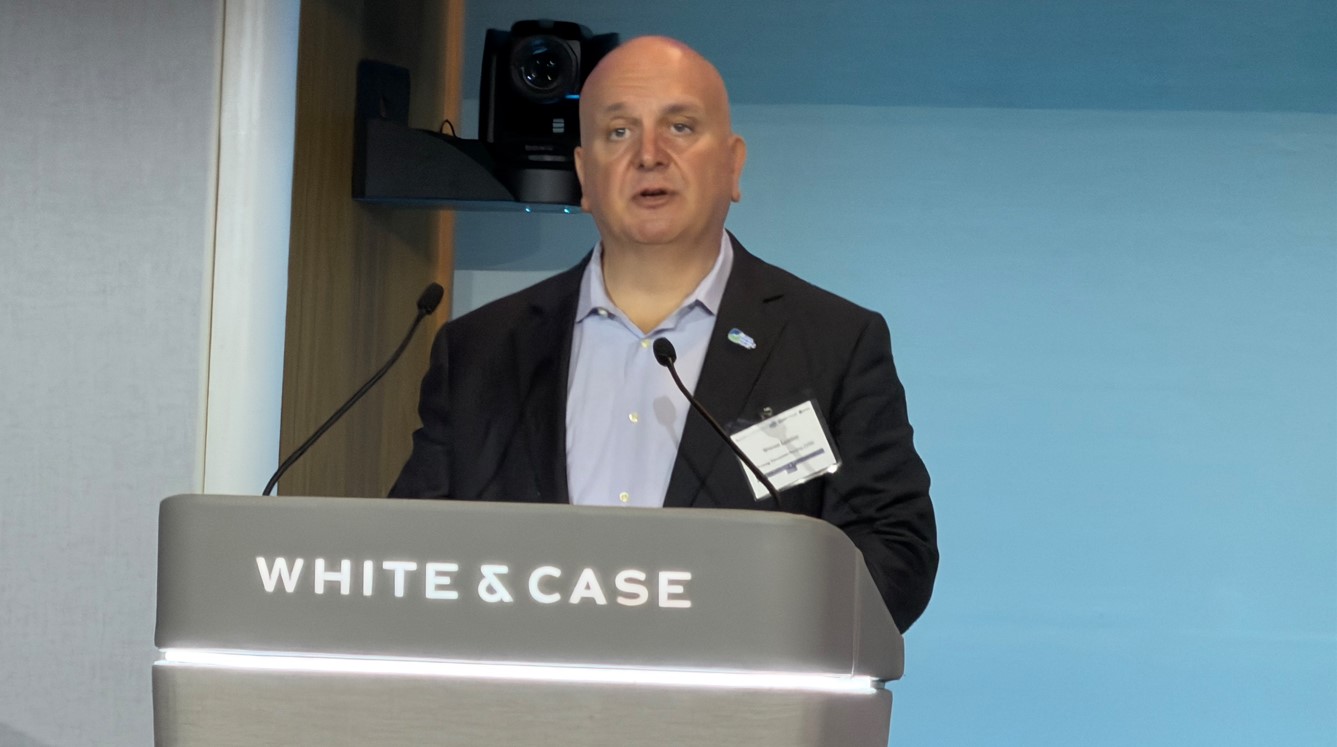
In a conversation with Chamber Chairman Will Landers, he began by defining the role of both the summit and the organization from an institutional perspective: “My name is Will Landers, Chairman and CEO of the Brazil–U.S. Business Council. Our organization has existed since 1969 and is headquartered in New York. Our primary goal is to bring together stakeholders to explore business opportunities between the United States, Brazil, and other global partners.” This framing highlights not just bilateral relations, but the Council’s role as a hub within a broader multilateral business network.
He further noted that one of the core themes of this summit is to reassess Brazil’s relationship with the United States and the global market amid shifting geopolitical dynamics: “This morning, we held a major session in New York discussing global geopolitical developments and their impact on business activities between Brazil, the U.S., and the rest of the world.” This directly addresses one of the most critical variables for capital markets today—policy and political uncertainty.

When discussing U.S.–Brazil relations more specifically, Landers offered a structurally grounded assessment. He stated: “The two countries have always had a strong and positive relationship. However, we’ve seen the U.S. lose some market share in Brazil across several sectors, while China has gained significant ground and continues to grow rapidly.” This observation points to a shifting competitive landscape in which third-party influence has become a defining factor.
He further emphasized that China has become Brazil’s largest trading partner, with bilateral trade and investment continuing to expand. This raises a key strategic question: whether the United States can—and should—reclaim part of its market share. In his view, this is no longer merely a commercial issue, but a strategic decision requiring policy reassessment. Nevertheless, he stressed that opportunities remain, particularly in agriculture and critical resources.
On the resource front, he highlighted rare minerals: “Brazil holds vast reserves of rare minerals, some of which have only recently begun to be developed. Five years ago, this wasn’t even part of the conversation, but today it is one of the fastest-growing sectors. Over 90 mining projects were registered last year alone.” This shift reflects a broader global supply chain realignment, with Brazil emerging as a strategic resource node rather than just a traditional exporter.

From an investment perspective, Nancy Obler provided a more operational viewpoint. She noted that in agriculture and food investment, “you cannot truly participate in the sector without being physically present in Brazil,” underscoring the need for direct engagement rather than indirect allocation strategies.
She also pointed out that while the regulatory environment is complex, it is an inherent part of the market structure: “There are real opportunities in Brazil to achieve strong risk-adjusted returns, particularly in private credit.” In other words, higher barriers to entry correspond with lower competitive density and potentially higher returns, which explains continued institutional interest.
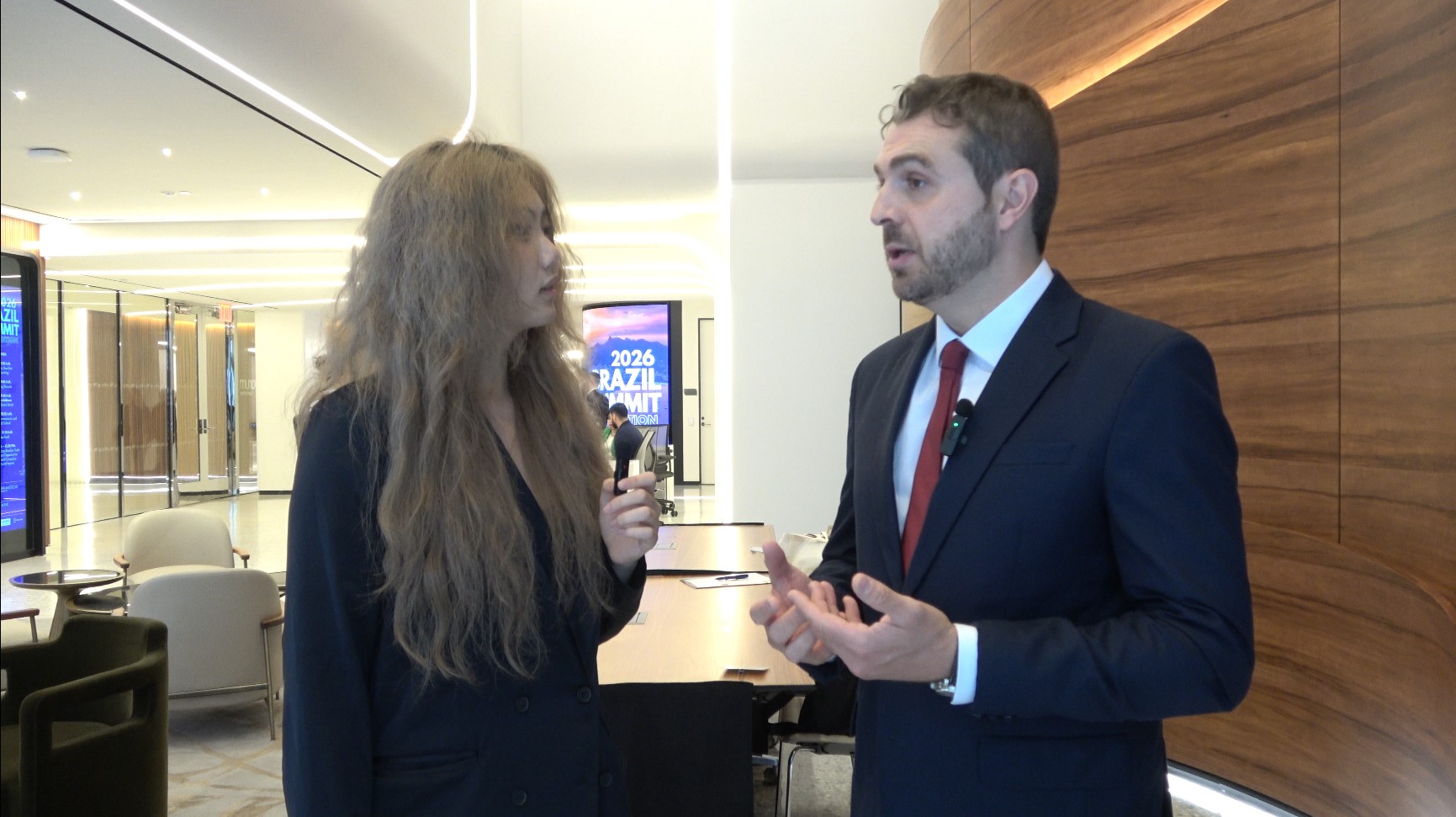
Another layer of insight came from Brazilian business representative Josepa, Director of International Trade and Government Affairs at BMJ Consulting. He emphasized that U.S.–Brazil relations remain deeply rooted in both trade and investment. The importance of this summit, he noted, lies in its ability to “highlight opportunities and enable direct dialogue among investors exploring new cooperation pathways.” This reflects a more institutional perspective: dialogue itself functions as a mechanism for stabilizing expectations.
Taking all interviews into account, this year’s Brazil Summit delivers a signal that is clear, yet far from simplistic: Brazil continues to hold significant long-term investment value, but that value is conditional. It depends on a nuanced understanding of political cycles, regulatory frameworks, and global competitive dynamics.
Through its on-site reporting, Celebrity Media Alliance does not present a one-dimensional narrative of optimism, but rather a more grounded structural perspective. In the ongoing global repricing of risk and opportunity, Brazil stands as both a repository of resource advantages and a reflection of institutional complexity. For investors, the real challenge is not whether to enter the market, but whether they possess the analytical depth and strategic patience to establish a sustainable long-term position amid uncertainty.